✓ The metaverse is a persistent, interconnected network of 3D virtual worlds.
✓ It aims to blend physical and digital realities through immersive technologies.
✓ Economic activity within the metaverse often involves cryptocurrencies and NFTs.
✓ Interoperability between different virtual platforms is a key, yet challenging, goal.
How It Works
1
Access Virtual Worlds
Users typically enter the metaverse through devices like VR headsets, AR glasses, or even standard computers and mobile phones. These devices render the immersive 3D environments.
2
Create and Interact
Once inside, users create digital avatars to represent themselves and interact with other users, AI, and digital objects. This interaction can range from social gatherings to gaming and commerce.
3
Engage in Economic Activity
Many metaverse platforms incorporate blockchain technology, allowing users to own digital assets (NFTs) like virtual land, clothing, or artwork, and conduct transactions using cryptocurrencies. This forms a digital economy.
4
Experience Persistence and Interoperability
A true metaverse is persistent, meaning it continues to exist and evolve even when you're not logged in. The ultimate vision includes interoperability, allowing assets and identities to move seamlessly between different virtual spaces.
Defining the Metaverse: Beyond Buzzwords
Photo: Pachon in Motion / Pexels
To truly understand what is the metaverse concept, we must first peel back the layers of hype and marketing jargon that often surround it. At its core, the metaverse is envisioned as a persistent, interconnected, online 3D virtual environment where users, represented by avatars, can interact with each other, digital objects, and AI in a simulated world that often mirrors or augments reality. It's not a single product or platform, but rather a conceptual evolution of the internet, moving from a two-dimensional browsing experience to an immersive, three-dimensional one. Think of it less as a destination and more as a new medium of interaction, much like how the internet itself evolved from static web pages to dynamic, interactive applications. This fundamental shift aims to blur the lines between our physical and digital lives, offering new ways to socialize, work, play, and conduct business. Unlike current virtual reality (VR) experiences, which are often isolated, the metaverse promises a continuous, shared space that persists even when individual users log off, much like the real world continues to exist. This persistence is a critical differentiator, implying a living, breathing digital universe that evolves with user contributions and interactions. The concept draws inspiration from science fiction, particularly Neal Stephenson's 1992 novel 'Snow Crash,' which coined the term. However, today's technological advancements in areas like virtual reality, augmented reality (AR), artificial intelligence, and blockchain are finally making this sci-fi vision a tangible possibility. It's not just about putting on a headset; it's about a fundamental change in how we perceive and interact with digital information and each other. The ambition is to create a digital layer over the real world, or entirely new digital worlds, that are as rich and engaging as our physical one, offering unparalleled opportunities for creativity, connection, and commerce. Understanding this foundational definition is crucial before delving into its components and implications, setting the stage for a comprehensive exploration of this transformative technological frontier. It's an ecosystem, not just an app, and its potential impact on society, technology, and economy is immense, promising a future where digital interactions are as natural and intuitive as physical ones. For more context on foundational tech, explore the basics of web3.
The Core Technologies Powering Immersive Digital Worlds
Photo: Morthy Jameson / Pexels
The realization of what is the metaverse concept is inextricably linked to several converging technological breakthroughs. Without these foundational elements, the metaverse would remain a distant sci-fi dream. Foremost among these are Virtual Reality (VR) and Augmented Reality (AR) technologies. VR headsets, like Meta Quest or Valve Index, provide full immersion, transporting users into entirely digital environments. AR, exemplified by devices like Magic Leap or even smartphone apps like Pokémon GO, overlays digital information onto the real world, blending the two realities. These immersive technologies are the primary gateways, offering sensory experiences that make digital interactions feel more tangible and present. However, the metaverse isn't solely dependent on headsets; accessibility across various devices, including PCs and mobile phones, is crucial for widespread adoption. Another critical component is blockchain technology, which underpins the economic and ownership aspects of many metaverse platforms. Blockchain enables the creation of Non-Fungible Tokens (NFTs), which represent unique digital assets – virtual land, clothing for avatars, digital art, or even unique identities. This allows for true digital ownership and provable scarcity within the metaverse, moving beyond the traditional model where digital items are merely licensed. Cryptocurrencies, also built on blockchain, facilitate secure and transparent transactions, forming the backbone of the metaverse's burgeoning digital economy. Furthermore, sophisticated Artificial Intelligence (AI) plays a vital role, from powering intelligent non-player characters (NPCs) and virtual assistants to generating procedural content and personalizing user experiences. AI can create dynamic, evolving environments, make interactions more natural, and manage complex simulations within these digital worlds. Networking infrastructure, particularly high-bandwidth, low-latency connectivity like 5G, is also indispensable. A seamless, real-time metaverse experience demands massive data transfer capabilities to render complex 3D environments and facilitate synchronous interactions among millions of users globally. Edge computing, which processes data closer to the source, will further reduce latency and enhance responsiveness. Finally, powerful 3D engines and rendering technologies (like Unreal Engine or Unity) are essential for building the visually rich and interactive environments that define the metaverse. These engines allow developers to create vast, detailed, and dynamic virtual spaces that can support complex physics, realistic graphics, and intricate user interactions. The synergy of these technologies – immersive hardware, decentralized ledgers, intelligent algorithms, robust networks, and advanced rendering – is what collectively fuels the development and expansion of the metaverse, promising a future where digital and physical realities are deeply intertwined and continuously evolving.
Applications and Economic Models within the Metaverse Ecosystem
Photo: Atlantic Ambience / Pexels
The potential applications of what is the metaverse concept span far beyond simple gaming, touching nearly every aspect of human endeavor. Understanding these diverse use cases is crucial for grasping its transformative power. Socialization is a primary driver; imagine attending virtual concerts with friends from across the globe, hosting meetings in photorealistic digital offices, or simply hanging out in a persistent virtual park. Platforms like Decentraland and The Sandbox already offer glimpses of this, allowing users to buy virtual land, build experiences, and host events. Education stands to be revolutionized, with immersive 3D classrooms, interactive historical simulations, and hands-on virtual training scenarios that are impossible or impractical in the physical world. Medical training, for instance, could involve highly realistic surgical simulations. Commerce within the metaverse is already a significant and growing sector. Brands are establishing virtual storefronts, selling digital twins of physical products, or creating entirely new digital fashion lines and collectibles as NFTs. Users can browse, try on virtual clothing, and make purchases using cryptocurrencies, blurring the lines between online shopping and a physical retail experience. This creates entirely new revenue streams and marketing opportunities for businesses. The gaming industry, of course, is at the forefront, with massively multiplayer online (MMO) games evolving into more open-ended, user-generated content platforms that resemble nascent metaverses. Beyond entertainment, the metaverse offers unprecedented opportunities for remote work and collaboration. Instead of static video calls, teams can meet in shared virtual workspaces, brainstorm on interactive 3D whiteboards, and even collaboratively design products in real-time within a shared digital space. This could significantly enhance productivity and connection for distributed teams. The economic models supporting these applications are largely driven by decentralized finance (DeFi) principles and the concept of digital ownership. Users can earn, spend, and invest cryptocurrencies within the metaverse. Play-to-earn games, where players earn digital assets or currency through gameplay, are a prime example. The creation and trading of NFTs represent a new economy for digital creators, allowing artists, designers, and developers to monetize their digital creations directly. These economic frameworks empower users with greater control over their digital assets and identities, fostering a more equitable and participatory digital ecosystem. The integration of blockchain ensures transparency, security, and true ownership, distinguishing metaverse economies from traditional centralized digital marketplaces. This evolving ecosystem promises a future where digital presence and economic activity are deeply intertwined with our daily lives, offering unparalleled opportunities for innovation and engagement. For further reading on this, delve into the future of digital ownership.
Challenges and Ethical Considerations for the Metaverse's Future
Photo: SHVETS production / Pexels
While the promise of what is the metaverse concept is immense, its development and widespread adoption face significant hurdles, both technical and ethical. One of the primary technical challenges is achieving true interoperability. Currently, most virtual worlds are walled gardens, meaning assets and identities cannot seamlessly move between different platforms. A truly open metaverse requires universal standards for identity, digital assets, and data exchange, which is a complex undertaking involving competing companies and technologies. The sheer computational power and network infrastructure required to render massive, persistent, and highly detailed 3D environments for millions of simultaneous users also pose a monumental challenge, demanding advancements in cloud computing, edge computing, and network bandwidth. User experience and accessibility are also critical. Current VR hardware can be expensive, bulky, and sometimes cause motion sickness, limiting mass adoption. Making the metaverse accessible and comfortable for a diverse user base, regardless of their technical proficiency or physical abilities, is paramount. From an ethical standpoint, privacy and data security are paramount concerns. As users spend more time and conduct more activities in the metaverse, vast amounts of personal data will be generated, raising questions about who owns this data, how it's used, and how it's protected from exploitation. The potential for surveillance and targeted manipulation is significant. Another major concern is digital identity and ownership. While NFTs offer new forms of ownership, issues like intellectual property rights, copyright infringement within virtual spaces, and the potential for scams or rug pulls remain. Moderation and governance of content and behavior within the metaverse also present complex challenges. How do we prevent harassment, hate speech, and other harmful behaviors in a decentralized, often pseudonymous environment? The psychological impact of prolonged immersion in virtual worlds, including potential addiction, social isolation in the real world, and blurring the lines of reality, also requires careful consideration and research. Furthermore, the metaverse could exacerbate existing societal inequalities if access to its benefits is limited by economic status or technological literacy. Bridging the digital divide will be crucial for an inclusive metaverse. Addressing these challenges through thoughtful design, robust regulation, and collaborative industry efforts will be essential for realizing the metaverse's potential as a positive and equitable force for human progress. A failure to proactively tackle these issues could lead to a digital dystopia rather than a utopian digital future. It's not enough to build the technology; we must build it responsibly and ethically.
**Key Challenges to Overcome:**
* **Interoperability:** Lack of universal standards for moving assets and identities between platforms.
* **Hardware Accessibility:** High cost and physical limitations of current immersive devices.
* **Privacy & Data Security:** Protecting vast amounts of user data in persistent virtual environments.
* **Content Moderation:** Preventing harmful behavior (harassment, hate speech) in decentralized spaces.
* **Digital Inequality:** Ensuring equitable access and benefits for all socioeconomic groups.
* **Energy Consumption:** The significant energy demands of running large-scale, persistent virtual worlds.
* **Psychological Impact:** Potential for addiction, social isolation, and blurred reality boundaries.
Comparison
Feature
True Metaverse (Vision)
Current VR/Gaming
Traditional Web 2.0
Persistence
Always on, evolving
Session-based, resets
Always on, static content
Interoperability
Seamless asset/identity transfer
Limited, platform-specific
Browser-based links
Ownership (Digital)
True ownership (NFTs)
Licensed, platform-controlled
No true ownership
Immersion
Deep 3D, sensory
High 3D, visual/audio
2D, textual/visual
Economy
Decentralized, crypto-driven
Centralized, in-app purchases
Centralized e-commerce
Identity
Persistent avatars, digital ID
Game-specific profiles
Website profiles/accounts
Scale
Massive, millions of users
Limited, server capacity
Massive, but not interactive 3D
What Readers Say
★★★★★
"Understanding what is the metaverse concept truly opened my eyes to the next evolution of the internet. The depth of interaction and potential for creativity is astounding, far beyond what I imagined from simple VR games."
Alex Chen · San Francisco, CA
★★★★★
"This article provided an incredibly helpful breakdown of the metaverse. I now grasp how blockchain and AI are integral, not just buzzwords, making the whole concept much clearer and more exciting."
Maria Rodriguez · Austin, TX
★★★★★
"As a developer, I found the insights into the core technologies powering the metaverse invaluable. It clarified the path forward for building truly immersive and persistent digital experiences, leading to new project ideas."
David Lee · New York, NY
★★★★★
"While I'm excited about the metaverse's potential, the discussion on ethical challenges like privacy and moderation really resonated. It's crucial we build this new world responsibly, and this article highlighted those concerns well."
Sarah Kim · Seattle, WA
★★★★★
"I used to think the metaverse was just another gaming fad. This detailed explanation of what is the metaverse concept, especially its economic models and applications beyond gaming, completely changed my perspective on its future impact."
Mark Johnson · Chicago, IL
Frequently Asked Questions
What is the primary difference between the metaverse and current virtual reality (VR)?
The primary difference lies in persistence and interoperability. Current VR experiences are often isolated, session-based, and confined to single platforms. The metaverse envisions a persistent, interconnected network of virtual worlds where digital assets and identities can move seamlessly between different environments, creating a continuous digital existence.
Is the metaverse just a fad, or will it become a permanent part of our digital lives?
While still in its early stages and facing significant challenges, many experts believe the metaverse represents the next evolution of the internet. Its focus on immersive, persistent, and interconnected digital experiences, coupled with new economic models, suggests it has the potential to become a permanent and transformative part of how we interact with technology and each other.
How can I access the metaverse today?
You can experience early iterations of the metaverse through various platforms. This often involves using VR headsets (like Meta Quest) for fully immersive experiences, AR glasses for augmented reality, or even standard computers and mobile devices to access platforms like Decentraland, The Sandbox, Roblox, or Fortnite, which incorporate many metaverse-like features.
What kind of economic opportunities exist within the metaverse?
The metaverse opens up diverse economic opportunities, including buying and selling digital assets (NFTs) like virtual land, art, and clothing; creating and monetizing experiences or games; offering services as a virtual designer or developer; and participating in play-to-earn models where users earn cryptocurrency or digital items through gameplay.
How does the metaverse compare to social media platforms like Facebook or Instagram?
While social media platforms facilitate digital interaction, they are primarily 2D experiences. The metaverse aims for immersive, 3D interaction where you 'feel' present in a shared digital space. It's less about passively consuming content and more about actively participating, creating, and experiencing a persistent virtual world with others, often with real digital ownership.
Who should be interested in understanding what is the metaverse concept?
Anyone interested in the future of technology, digital commerce, social interaction, and entertainment should understand the metaverse. This includes tech enthusiasts, investors, entrepreneurs, artists, game developers, educators, policymakers, and general users curious about how their digital lives might evolve.
What are the biggest risks associated with the metaverse?
Major risks include privacy and data security concerns, potential for digital addiction or social isolation, issues with content moderation and harmful behavior (harassment, misinformation), the exacerbation of digital inequalities, and the complex ethical implications of blending physical and digital realities.
What future trends might we see emerging from the metaverse?
Future trends could include hyper-realistic digital avatars, increasingly sophisticated AI companions, seamless integration of AR into daily life, widespread adoption of digital twins for real-world objects, completely new forms of digital entertainment and sports, and a significant shift in how remote work and education are conducted, making them more immersive and collaborative.
The metaverse represents a profound shift in how we interact with technology and each other. By understanding what is the metaverse concept, its underlying technologies, and its potential applications, you're better equipped to navigate this exciting digital frontier. Stay informed and prepare for a future where digital and physical realities are increasingly intertwined.
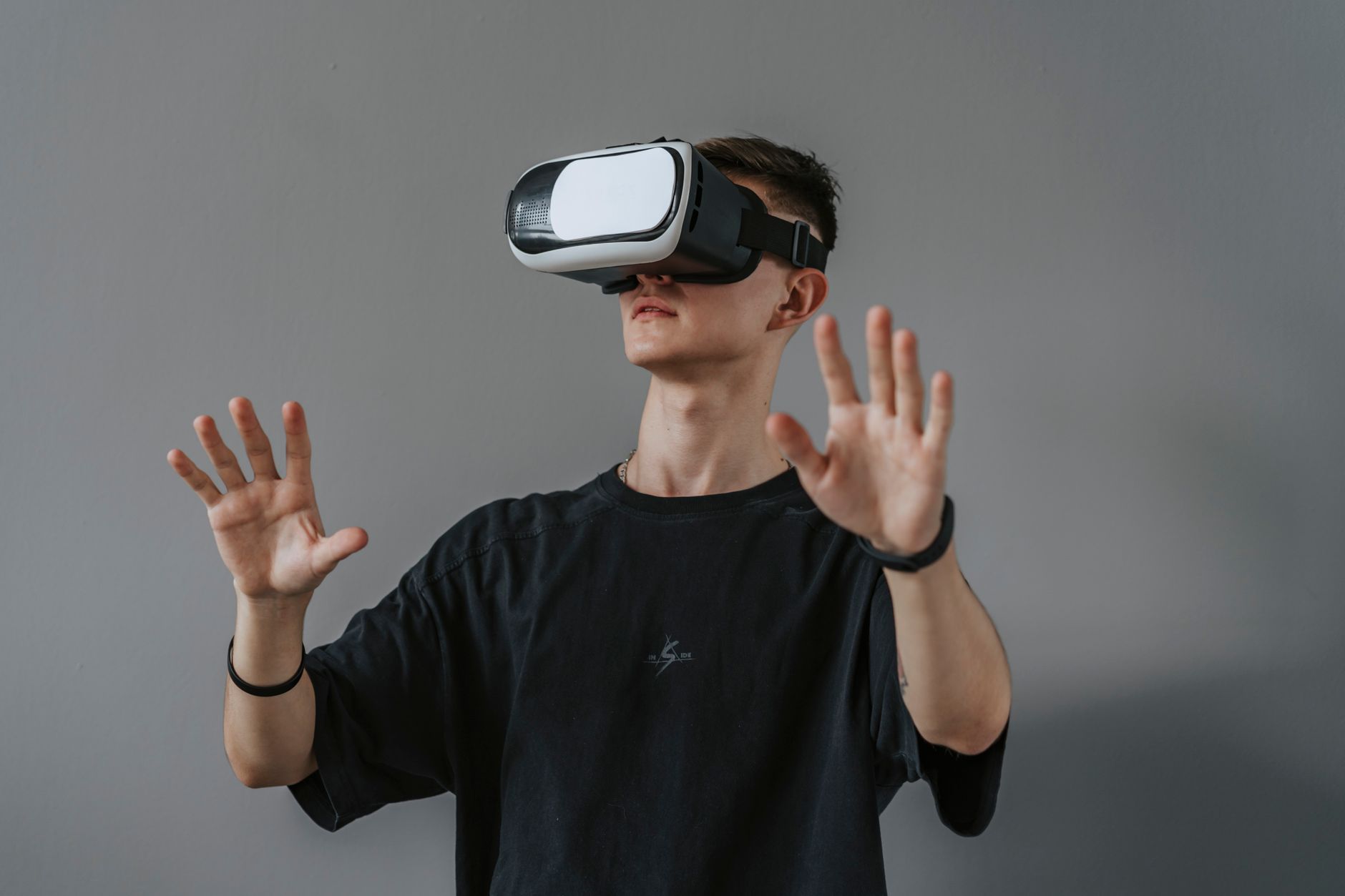
 Photo: Pachon in Motion / Pexels
 Photo: Morthy Jameson / Pexels
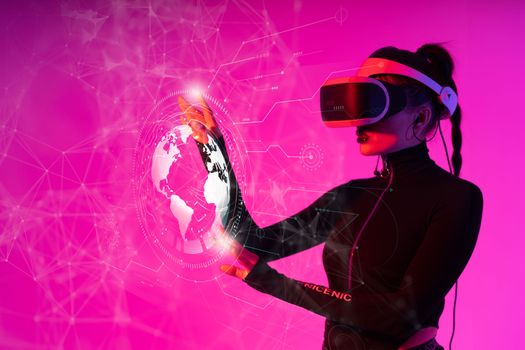 Photo: Atlantic Ambience / Pexels
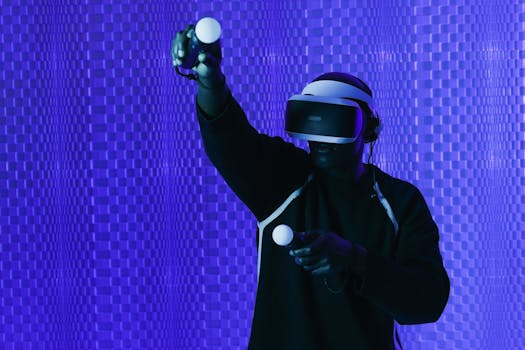 Photo: SHVETS production / Pexels