
What is the Internet of Things (IoT)? Your Complete Guide
Explore how interconnected devices are transforming our world, from smart homes to industrial automation, enhancing efficiency and convenience.
Dive into IoTKey Takeaways
- ✓ IoT connects everyday objects to the internet, allowing them to send and receive data.
- ✓ It encompasses billions of devices globally, from smartwatches to industrial sensors.
- ✓ IoT relies on sensors, connectivity, data processing, and user interfaces.
- ✓ Applications span smart homes, healthcare, manufacturing, agriculture, and transportation.
How It Works
Devices are embedded with sensors that collect data from their environment. This data can include temperature, humidity, light, motion, pressure, and more, converting physical parameters into digital signals.
Once data is collected, it needs to be transmitted. IoT devices use various connectivity options like Wi-Fi, Bluetooth, cellular, LPWAN (LoRaWAN, NB-IoT), or satellite to send this data to a central processing hub or cloud platform.
The collected data is then sent to a cloud platform or processed at the 'edge' (closer to the device) for analysis. This involves filtering, aggregating, and analyzing the data to extract meaningful insights and patterns.
Based on the processed data, actions are triggered, or insights are presented to users through applications. This could be anything from sending alerts, adjusting settings automatically, or providing reports and dashboards for decision-making.
Unpacking the Core Concepts of IoT: Beyond Buzzwords
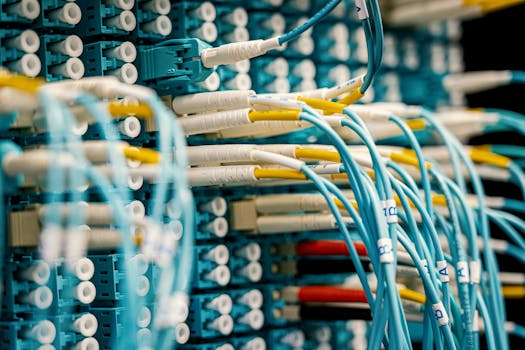 Photo: Brett Sayles / Pexels
The Transformative Impact: How IoT is Reshaping Industries and Daily Life
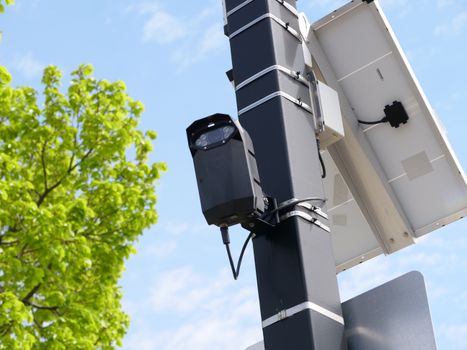 Photo: Giant Asparagus / Pexels
Challenges and Opportunities: Navigating the IoT Landscape
 Photo: Dan Nelson / Pexels
Best Practices for Adopting IoT: Maximizing Benefits, Minimizing Risks
Photo: Dan Nelson / Pexels
Comparison
| Feature | Consumer IoT | Industrial IoT (IIoT) | Medical IoT (IoMT) |
|---|---|---|---|
| Primary Goal | Convenience, Automation | Efficiency, Predictive Maint. | Patient Monitoring, Care |
| Device Examples | Smart thermostat, Watch | Factory sensors, Robots | Wearable trackers, Implants |
| Data Volume | Moderate | High to Very High | High (sensitive) |
| Latency Tolerance | High | Low (real-time critical) | Low (life-critical) |
| Security Priority | High | Extremely High | Extremely High |
| Interoperability | Good (improving) | Challenging (verticals) | Challenging (regulations) |
What Readers Say
"Understanding what is the Internet of Things IoT has completely changed how I view my home. My smart lights, thermostat, and security system all work together seamlessly, making daily life so much easier and more secure."
Sarah J. · Austin, TX"As an IT professional, diving into what is the Internet of Things IoT was essential. This article broke down complex concepts into understandable parts, highlighting both the potential and the necessary security considerations."
Mark D. · Chicago, IL"Our manufacturing plant implemented an IIoT system after learning what is the Internet of Things IoT, and we've seen a 15% reduction in unplanned downtime due to predictive maintenance. The efficiency gains are truly remarkable."
Emily R. · San Jose, CA"The information on what is the Internet of Things IoT was incredibly thorough. While the security section was excellent, I'd love to see even more practical, step-by-step guides for securing home IoT devices in future updates."
David L. · Boston, MA"I used to think IoT was just for tech geeks, but this explanation of what is the Internet of Things IoT showed me how it impacts everything from my fitness tracker to city planning. It's truly a foundational technology for the future."
Chloe G. · Seattle, WAFrequently Asked Questions
What is the fundamental concept behind what is the Internet of Things (IoT)?
The fundamental concept of IoT is to connect everyday physical objects to the internet, enabling them to collect and exchange data without human-to-human or human-to-computer interaction. These 'things' are embedded with sensors and software, allowing them to communicate and perform actions based on the data they gather from their environment.
Is IoT secure, and how can I protect my smart devices?
Security is a significant concern for IoT. To protect your devices, always use strong, unique passwords, enable two-factor authentication if available, keep device firmware updated, and choose reputable brands known for security. Consider isolating IoT devices on a separate network segment to limit potential breach impact.
How do IoT devices communicate with each other and the internet?
IoT devices communicate using a variety of wireless technologies, including Wi-Fi, Bluetooth, cellular (4G/5G), Zigbee, Z-Wave, and Low-Power Wide Area Networks (LPWANs) like LoRaWAN or NB-IoT. The choice of technology depends on factors like range, power consumption, data rate requirements, and cost.
What is the typical cost of implementing IoT solutions for a small business?
The cost of implementing IoT solutions varies widely based on scope, number of devices, data processing needs, and integration complexity. A small business might start with a few hundred to a few thousand dollars for basic monitoring, while comprehensive solutions can range from tens of thousands to hundreds of thousands of dollars, often with ongoing subscription fees for cloud services.
How does IoT differ from traditional internet connectivity?
Traditional internet connectivity primarily focuses on connecting people to information and to each other via computers, smartphones, and servers. IoT extends this connectivity to physical objects that traditionally weren't connected, allowing them to gather data, communicate autonomously, and interact with their environment and other systems without direct human input.
Who benefits most from understanding what is the Internet of Things (IoT)?
Virtually everyone can benefit. Consumers can optimize their homes and health with smart devices. Businesses across all sectors can enhance efficiency, create new services, and gain competitive advantages. Developers, engineers, urban planners, and healthcare professionals also find immense value in understanding and leveraging IoT for innovation and problem-solving.
What are the main privacy risks associated with IoT?
Main privacy risks include unauthorized access to personal data collected by devices (e.g., location, health, habits), potential for surveillance, lack of transparency about data usage, and the aggregation of data from multiple devices creating a detailed personal profile. Strong data governance and user control are crucial to mitigate these risks.
What are the future trends expected for what is the Internet of Things (IoT)?
Future trends for IoT include deeper integration with Artificial Intelligence (AI) for more intelligent automation and predictive capabilities, increased adoption of edge computing to reduce latency, enhanced security measures, the proliferation of 5G connectivity for faster and more reliable communication, and further expansion into critical sectors like healthcare, smart cities, and sustainable agriculture.
Ready to harness the power of connection? Understanding what is the Internet of Things (IoT) is the first step towards a smarter future. Explore how these interconnected technologies can revolutionize your home, business, and daily life.