What is Edge Computing Technology? Your Definitive Guide
what is edge computing technology

What is Edge Computing Technology? Your Definitive Guide

Unpack the power of localized data processing and its transformative impact on modern digital infrastructures.

Explore Edge Computing

Key Takeaways

  • ✓ Edge computing processes data closer to its source, reducing latency.
  • ✓ It enhances real-time decision-making for IoT devices and critical applications.
  • ✓ Security and privacy can be improved by keeping sensitive data localized.
  • ✓ Edge computing reduces bandwidth reliance on centralized cloud infrastructure.

How It Works

1
Data Generation at the Edge

IoT devices, sensors, and local systems generate vast amounts of data. This data originates at the 'edge' of the network, far from traditional data centers.

2
Local Processing and Analysis

Instead of sending all data to a central cloud, edge devices or nearby mini-data centers (edge nodes) process and analyze a significant portion locally. This minimizes the need for extensive data transfer.

3
Actionable Insights & Decision-Making

The processed data yields immediate insights, allowing for real-time actions and automated responses. Only critical or aggregated data is then sent to the cloud for deeper analysis or long-term storage.

4
Cloud Integration & Optimization

Edge computing complements cloud computing, offloading routine tasks and reducing network strain. The cloud still provides scalability and extensive storage for overarching analytics and archival purposes.

Understanding the Fundamentals of Edge Computing
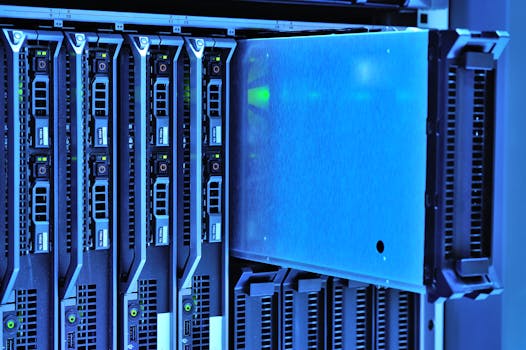
Detailed view of server racks with glowing lights in a data center environment. Photo: panumas nikhomkhai / Pexels
In an increasingly interconnected world, where billions of devices generate unprecedented volumes of data, the traditional model of sending all information to a centralized cloud for processing is beginning to show its limitations. This is precisely where the concept of edge computing technology steps in, fundamentally redefining how data is collected, processed, and utilized. At its core, edge computing refers to a distributed computing paradigm that brings computation and data storage closer to the sources of data. This proximity is crucial for minimizing latency, conserving bandwidth, and enabling real-time applications that are simply not feasible with a purely cloud-centric approach. Think of it as decentralizing the intelligence of your network. Instead of a single, powerful brain in the cloud, you have many smaller, intelligent nodes distributed throughout your operational landscape. The exponential growth of the Internet of Things (IoT) has been a primary driver behind the emergence and rapid adoption of edge computing. From smart factories with thousands of sensors monitoring machinery to autonomous vehicles processing environmental data in milliseconds, and smart cities managing traffic flows, these applications demand immediate responses. Waiting for data to travel to a distant cloud server, be processed, and then have instructions sent back is often too slow for critical operations. Edge computing places the computational power right where the data is being generated – at the 'edge' of the network. This 'edge' can be a variety of locations, including IoT devices themselves, local servers, network gateways, or even small data centers strategically placed closer to the data sources. The goal is to perform as much data processing as possible on-site, only sending aggregated, filtered, or critical data to the central cloud for long-term storage, broader analytics, or less time-sensitive tasks. This symbiotic relationship between edge and cloud computing is key to building resilient, efficient, and highly responsive digital infrastructures. Understanding cloud computing basics can provide valuable context to how edge computing enhances and extends traditional cloud models. The shift towards edge computing is not merely a technological trend; it's a strategic imperative for organizations looking to harness the full potential of their data in a timely and cost-effective manner.

Key Benefits and Advantages of Edge Computing
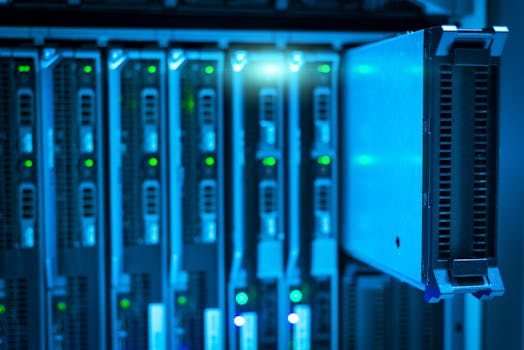
Detailed view of a server rack with a focus on technology and data storage. Photo: panumas nikhomkhai / Pexels
The strategic deployment of what is edge computing technology brings forth a multitude of compelling benefits that address critical challenges faced by modern enterprises. Perhaps the most significant advantage is the drastic reduction in latency. By processing data closer to its source, the time it takes for data to travel to a server and back (round-trip time) is minimized. This is paramount for applications requiring instantaneous decision-making, such as real-time industrial automation, autonomous driving systems, remote surgery, and augmented reality. In these scenarios, even a few milliseconds of delay can have significant consequences, ranging from operational inefficiencies to safety hazards. Edge computing ensures that critical decisions are made locally and immediately, enhancing responsiveness and reliability. Another substantial benefit is bandwidth optimization. As the number of connected devices and the volume of generated data continue to soar, transmitting all raw data to a centralized cloud can place immense strain on network infrastructure. Edge computing alleviates this pressure by processing and filtering data at the edge, sending only essential information upstream to the cloud. This reduces the amount of data that needs to be transmitted over wide area networks (WANs), leading to lower bandwidth costs and more efficient network utilization. For organizations operating in remote locations with limited internet connectivity, or those dealing with extremely large datasets (like video surveillance or scientific instruments), this reduction in bandwidth dependency is a game-changer, making data processing feasible where it otherwise wouldn't be. Furthermore, edge computing significantly enhances data security and privacy. By processing sensitive data locally, organizations can keep it within their own controlled environments, reducing the risk of exposure during transit to a remote data center. This localized processing can help meet stringent regulatory compliance requirements (e.g., GDPR, HIPAA) by ensuring that certain types of data never leave a specific geographical boundary or organizational perimeter. It also means that in the event of a network outage or cloud service interruption, critical local operations can continue uninterrupted, as they are not solely reliant on external connectivity. This improved resilience and enhanced data governance are powerful drivers for adopting edge solutions. The distributed nature of edge computing also means a reduced attack surface for massive data breaches, as data is spread across many smaller, localized nodes rather than consolidated in one central repository. This multi-faceted approach to security, combined with operational efficiency and cost savings, makes edge computing a highly attractive proposition for businesses across various sectors looking to optimize their digital operations and secure their data assets.

Real-World Applications and Industry Impact
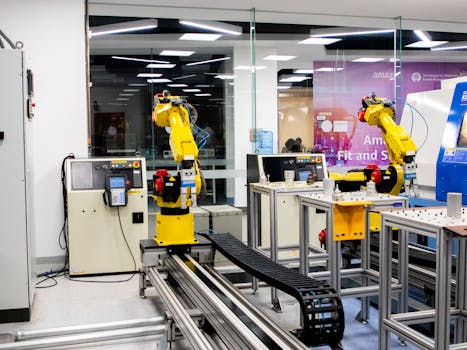
Robotic arms in action within a modern industrial control room setting, showcasing technology and production. Photo: Ludovic Delot / Pexels
The transformative power of what is edge computing technology is evident across a diverse array of industries, each leveraging its unique capabilities to solve complex challenges and unlock new opportunities. In manufacturing, edge computing is at the heart of Industry 4.0 initiatives. Smart factories deploy edge devices on production lines to monitor machinery health, predict maintenance needs, and optimize operational efficiency in real-time. Sensors on industrial robots, conveyor belts, and assembly lines generate torrents of data that are processed at the edge to detect anomalies, prevent downtime, and ensure product quality. This immediate feedback loop allows for instantaneous adjustments, minimizing waste and maximizing throughput. The ability to make decisions within milliseconds, right on the factory floor, is revolutionizing how goods are produced. The healthcare sector is another prime beneficiary. Edge computing enables real-time patient monitoring, where wearable devices and in-room sensors collect vital signs and other health data. This data can be processed at the edge to detect critical changes or emergencies instantly, alerting medical staff without the delay of sending data to a distant cloud. For example, an edge device could analyze ECG data to identify an arrythmia and trigger an immediate alert. This not only improves patient outcomes but also ensures data privacy by keeping sensitive patient information localized and compliant with regulations like HIPAA. Additionally, edge-enabled imaging devices can perform initial analyses, reducing the burden on central systems and speeding up diagnoses. Exploring other healthcare tech trends reveals how edge computing fits into a broader digital transformation. Autonomous vehicles represent perhaps one of the most demanding applications for edge computing. A self-driving car generates gigabytes of data per second from cameras, LiDAR, radar, and ultrasonic sensors. Processing this data in the cloud is simply not an option, as decisions about braking, acceleration, and steering must be made in milliseconds to ensure safety. Edge computing allows these vehicles to process environmental data locally, recognize objects, predict movements, and navigate complex situations in real-time, directly on board the vehicle. This localized intelligence is absolutely critical for the safety and functionality of autonomous transport. Beyond these, edge computing plays a pivotal role in smart cities, managing traffic lights, public safety cameras, and environmental sensors to optimize urban living. In retail, it powers intelligent inventory management, personalized customer experiences, and predictive analytics for demand forecasting. For the energy sector, edge devices monitor grids, optimize energy distribution, and enable predictive maintenance for critical infrastructure. The ubiquity of these applications underscores that edge computing is not a niche technology but a foundational element of the next generation of digital services and connected experiences, driving efficiency, safety, and innovation across the global economy.

Challenges and Best Practices for Edge Deployment
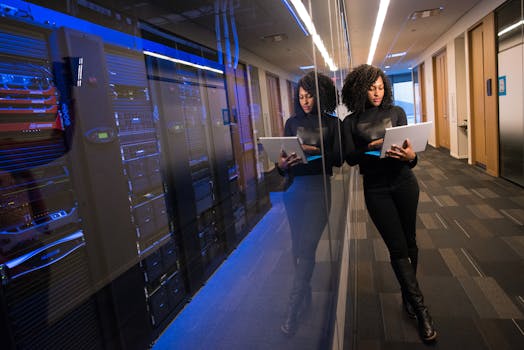
A woman using a laptop navigating a contemporary data center with mirrored servers. Photo: Christina Morillo / Pexels
While the advantages of what is edge computing technology are clear, its implementation is not without its challenges. Organizations embarking on an edge computing journey must carefully consider several factors to ensure a successful deployment. One primary challenge is the management and orchestration of a distributed infrastructure. Unlike centralized cloud environments, edge deployments involve numerous devices and mini-data centers spread across various geographical locations, often in remote or harsh environments. This requires robust management tools for deployment, monitoring, updating, and troubleshooting these distributed assets. Ensuring consistent software versions, applying security patches, and managing configurations across potentially thousands of edge nodes can be complex. Security is another critical concern. While edge computing can enhance privacy by keeping data local, it also introduces new attack vectors. Each edge device or node becomes a potential entry point for malicious actors. Therefore, implementing strong authentication, authorization, encryption, and regular security audits for every component at the edge is paramount. Securing the data in transit between edge nodes and the cloud, and within the edge environment itself, requires a comprehensive security strategy that encompasses hardware, software, and network layers. The physical security of edge devices, especially in remote or public locations, also needs to be addressed. Connectivity and power are practical considerations. Edge devices often operate in environments with intermittent or limited network connectivity, requiring them to function autonomously for extended periods. This necessitates robust offline capabilities and intelligent data synchronization strategies. Similarly, reliable power sources are crucial, and in remote areas, this might involve solar, battery, or other alternative power solutions. The physical environmental conditions (temperature, humidity, dust) also demand ruggedized hardware designed to withstand these challenges, adding to the initial investment. Best practices for successful edge deployment include starting with a clear understanding of the specific use cases and their latency, bandwidth, and security requirements. Begin with pilot projects to test the technology and refine your approach before scaling. Adopt a standardized architecture and leverage containerization (e.g., Docker, Kubernetes) to simplify deployment and management of applications across diverse edge hardware. Prioritize security by design, implementing zero-trust principles and continuous monitoring. Invest in robust orchestration and management platforms that can handle the complexity of distributed systems. Finally, foster a strong partnership between IT and operational technology (OT) teams, as edge computing often blurs the lines between these traditionally separate domains, requiring collaborative expertise to fully realize its potential and navigate its complexities.

Comparison

FeatureEdge ComputingCloud ComputingOn-Premise Data Center
LatencyExtremely LowModerate to HighLow
Bandwidth UsageReducedHighLow
Real-time ProcessingExcellentLimited (due to latency)Good
Data Security/PrivacyEnhanced (localized)Centralized (data in transit)High (full control)
ScalabilityModular, DistributedHighly ElasticLimited (hardware dependent)
Cost EfficiencyOptimized for specific tasksPay-as-you-goHigh initial investment
Offline CapabilityExcellentLimited (requires connectivity)Good (local network)
Management ComplexityHigh (distributed)Moderate (managed by provider)High (full responsibility)

What Readers Say

"Understanding what is edge computing technology was crucial for our smart manufacturing plant. The reduction in latency has completely transformed our production line efficiency and predictive maintenance capabilities. It's a game-changer for real-time operations."

Sarah Chen · Austin, TX

"Our IoT deployment was struggling with bandwidth costs and response times. Implementing edge computing allowed us to process sensor data locally, drastically cutting down on data transfer to the cloud and improving system responsiveness. Highly recommend exploring this technology."

Michael Davis · Seattle, WA

"For our autonomous vehicle project, the need for millisecond-level decision-making was non-negotiable. Edge computing technology provided the localized processing power required, directly enabling our vehicles to navigate complex environments safely and effectively."

Jessica Lee · Boston, MA

"While the initial setup of our distributed edge network presented some challenges, the long-term benefits in terms of data security and operational resilience have been significant. It's not a simple switch, but the investment in learning what is edge computing technology pays off."

David Kim · Denver, CO

"As a healthcare provider, data privacy is paramount. Edge computing allows us to process sensitive patient data at the source, ensuring compliance and enhancing security, while still leveraging cloud for aggregated analytics. It's a powerful hybrid solution."

Emily Rodriguez · Miami, FL

Frequently Asked Questions

What is the primary difference between edge computing and cloud computing?

The primary difference lies in data processing location. Cloud computing processes data in centralized data centers, often far from the data source, leading to higher latency. Edge computing processes data closer to the source (at the 'edge' of the network), significantly reducing latency and bandwidth usage for real-time applications.

Is edge computing a replacement for cloud computing?

No, edge computing is not a replacement but rather a complement to cloud computing. Edge handles immediate, time-sensitive processing at the source, while the cloud provides scalable storage, deeper analytics, and overarching management for less time-critical tasks and aggregated data.

How can I implement edge computing in my business?

Start by identifying specific use cases that require real-time processing or have bandwidth constraints. Research edge hardware and software solutions suitable for your environment, which may include industrial PCs, IoT gateways, or micro data centers. Partner with technology providers and consider a phased implementation, starting with pilot projects to validate the approach.

What are the typical costs associated with deploying edge computing?

Costs can vary widely depending on scale. They typically include hardware (edge devices, servers), software licenses, network infrastructure upgrades, deployment services, and ongoing maintenance. While initial hardware investment can be higher than purely cloud-based solutions, it often leads to long-term savings in bandwidth and improved operational efficiency.

How does edge computing improve data security?

Edge computing can improve data security by keeping sensitive data localized and processed within the organization's control, reducing exposure during transit to a remote cloud. It also allows for compliance with data residency regulations and can provide continued operation even if central network connectivity is lost, reducing reliance on external infrastructure for critical functions.

Who should consider using what is edge computing technology?

Any organization dealing with high volumes of data from IoT devices, requiring real-time decision-making, operating in environments with limited or expensive bandwidth, or facing strict data privacy and compliance regulations should consider edge computing. Industries like manufacturing, healthcare, automotive, retail, and telecommunications are prime candidates.

What are the main security risks in an edge computing environment?

Main security risks include physical tampering of edge devices, compromised network gateways, insecure software running on edge nodes, and challenges in consistently applying security patches across a distributed network. A robust security strategy must address physical, network, and application layer vulnerabilities at every edge point.

What is the future outlook for edge computing technology?

The future of edge computing is incredibly promising, driven by the continued proliferation of IoT devices, 5G networks, and AI at the edge. We can expect more sophisticated edge AI capabilities, greater integration with cloud platforms, and the development of more standardized and easier-to-manage edge orchestration tools, leading to even broader adoption across all sectors.

Embrace the future of data processing. Understanding what is edge computing technology is the first step towards unlocking unprecedented efficiency, real-time insights, and enhanced security for your digital operations. Explore how edge can transform your business today.

Topics: what is edge computing technologyedge computing benefitsdistributed computingIoT edgedata processing at the edge
Leo List
Brampton weed
Adultwork EstrelaBet Vai de Bet R7 Bet Betão Galera Bet Rainbet Bet9ja Shop SportyBet BetKing Sisal Loto Foot Hollywoodbets YesPlay Odibets RushBet Jugabet BetWarrior BetCity MSport betPawa Fortebet