✓ Blockchain is a decentralized, distributed ledger that records transactions across many computers.
✓ It ensures data integrity and security through cryptography and immutability.
✓ Beyond cryptocurrencies, blockchain is transforming supply chains, healthcare, finance, and more.
✓ Smart contracts automate agreements, reducing intermediaries and increasing efficiency.
How It Works
1
Transaction Initiation
A user initiates a transaction, which could be a financial transfer, a data record, or a smart contract execution. This transaction is then broadcast to the blockchain network.
2
Verification and Validation
Network participants (nodes) verify the transaction's legitimacy using cryptographic algorithms. They check its authenticity, ensuring the sender has the right to initiate it and that it adheres to network rules.
3
Block Creation
Once verified, multiple transactions are grouped together into a 'block'. This block contains a timestamp, a reference to the previous block (a cryptographic hash), and the verified transaction data.
4
Chain Addition and Distribution
The newly created block is added to the existing chain of blocks, making it an immutable part of the ledger. This updated, secure ledger is then distributed across all network nodes, ensuring decentralization and transparency.
Understanding the Core Principles of Distributed Ledger Technology
Photo: RDNE Stock project / Pexels
To truly grasp what is blockchain technology used for, one must first understand its foundational principles. At its heart, blockchain is a distributed, immutable ledger. Unlike traditional databases controlled by a central authority, a blockchain's ledger is spread across a network of computers, known as nodes. Each node holds an identical copy of the entire ledger, ensuring that no single point of failure can compromise the data. This decentralized nature is a cornerstone of its security and resilience. When a new transaction occurs, it's not simply added to a central database; instead, it's grouped with other transactions into a 'block'. This block is then cryptographically linked to the previous block, forming a continuous 'chain' of blocks. This chaining process, along with sophisticated cryptographic techniques, makes the data virtually tamper-proof. Any attempt to alter a past transaction would require modifying all subsequent blocks and doing so across the entire distributed network, a feat that is computationally infeasible. This immutability is paramount, especially in applications where trust and verifiable records are critical. For instance, in supply chain management, knowing that a product's journey from origin to consumer is recorded without alteration can prevent fraud and ensure authenticity. In the realm of digital identity, blockchain offers a way to manage personal data securely, giving individuals more control over who accesses their information. The transparency of a public blockchain means that all participants can view the ledger, though specific details might be encrypted or pseudonymized to protect privacy. This level of transparency fosters trust among parties who may not otherwise trust each other directly, as they can collectively verify the integrity of the records without needing an intermediary. The consensus mechanisms, such as Proof of Work (PoW) or Proof of Stake (PoS), are what enable the network to agree on the validity of new blocks and maintain the ledger's consistency across all nodes. These mechanisms are crucial for preventing malicious actors from adding fraudulent transactions to the chain. The combination of decentralization, immutability, transparency, and cryptographic security makes blockchain a powerful technology with far-reaching implications, extending far beyond its initial application in cryptocurrencies. It's a fundamental shift in how we record and verify information, paving the way for more efficient, secure, and trustworthy systems across countless industries. The ability to create a shared, verifiable record without a central arbiter opens up possibilities for revolutionary changes in how businesses operate and how individuals interact with digital services. Understanding these core principles is key to appreciating the diverse and impactful answers to what is blockchain technology used for today and in the future.
The question of what is blockchain technology used for truly comes alive when we examine its practical applications across various industries. While its origins are deeply intertwined with digital currencies like Bitcoin, blockchain’s capabilities extend far beyond finance. One of the most impactful areas is **supply chain management**. Imagine tracking a product from its raw materials to the consumer's hands with complete transparency. Blockchain makes this possible by creating an immutable record of every step – sourcing, manufacturing, shipping, and delivery. This not only enhances accountability and reduces fraud but also allows for rapid identification of issues, such as contaminated goods or ethical sourcing concerns. Companies like Walmart have successfully piloted blockchain for food traceability, drastically cutting down the time it takes to trace a product from days to mere seconds.
Another significant sector benefiting from blockchain is **healthcare**. The secure and immutable nature of the ledger is ideal for managing sensitive patient data. Electronic health records (EHRs) can be stored on a blockchain, giving patients more control over who accesses their information and providing a tamper-proof audit trail. This improves data interoperability between different healthcare providers, ensures data privacy, and can even streamline drug development by securely managing clinical trial data. The potential for reducing medical fraud and enhancing drug authenticity is also immense, as every step of a drug's journey can be recorded on the blockchain, from manufacturing to dispensing.
In the **real estate** industry, blockchain can simplify and speed up property transactions. The process of buying and selling property is often bogged down by intermediaries, extensive paperwork, and legal complexities. By tokenizing property assets and recording ownership transfers on a blockchain, the entire process can become more transparent, efficient, and less prone to fraud. Smart contracts can automate parts of the transaction, such as releasing funds once certain conditions are met, reducing the need for escrow services and cutting down on transaction times and costs.
**Voting systems** are also exploring blockchain's potential. The desire for transparent, secure, and verifiable elections is universal. Blockchain could provide a system where votes are cast and recorded immutably, ensuring that each vote is counted and cannot be altered or duplicated. While still in early stages, pilot programs have demonstrated the feasibility of using blockchain to enhance electoral integrity and public trust.
Furthermore, **intellectual property rights management** can be significantly improved. Artists, musicians, and creators can register their original works on a blockchain, creating an undeniable timestamp and proof of ownership. This can help in protecting against copyright infringement and ensuring fair compensation for their creations. The application of blockchain in these diverse fields highlights its versatility and its capacity to address long-standing challenges by introducing unprecedented levels of trust, transparency, and efficiency. It's clear that the answer to what is blockchain technology used for is continually expanding as innovators discover new ways to leverage its unique properties.
The Role of Smart Contracts and Decentralized Applications (dApps)
Photo: RDNE Stock project / Pexels
A pivotal aspect of understanding what is blockchain technology used for lies in the emergence of **smart contracts** and **decentralized applications (dApps)**. These innovations elevate blockchain from a mere record-keeping system to a programmable platform capable of executing complex logic automatically. A smart contract is essentially a self-executing contract with the terms of the agreement directly written into lines of code. This code resides on the blockchain, making it immutable and transparent. Once the conditions programmed into the contract are met, the contract automatically executes the agreed-upon actions, without the need for any intermediaries. For example, in an insurance claim, a smart contract could be programmed to automatically disburse payment to a policyholder once an external data feed (an 'oracle') confirms that the agreed-upon event (e.g., a flight delay of a certain duration) has occurred. This eliminates delays, reduces administrative costs, and removes the potential for human error or bias.
Smart contracts are the backbone of many revolutionary blockchain applications. They enable the creation of decentralized finance (DeFi) platforms, which offer financial services like lending, borrowing, and trading without traditional banks. They power non-fungible tokens (NFTs), which represent unique digital assets and prove ownership on the blockchain. Furthermore, they are crucial for automated supply chain agreements, ensuring that payments are released only when goods are received or quality checks are passed. The immutability of smart contracts means that once deployed, their terms cannot be altered, providing a high degree of trust and predictability for all parties involved.
Building upon smart contracts, **decentralized applications (dApps)** are applications that run on a decentralized peer-to-peer network, rather than on a single server. They leverage blockchain technology for their backend logic and data storage, meaning they are censorship-resistant and operate continuously without downtime. Unlike traditional applications controlled by a single entity, dApps are governed by code and often by their community of users, fostering a more open and democratic environment. Examples of dApps span various categories, including gaming, social media, identity management, and decentralized exchanges. For instance, a blockchain-based social media dApp could give users full control over their data and content, rather than a corporation. A decentralized gaming dApp could allow players to truly own their in-game assets as NFTs, which they can trade or sell freely.
The combination of smart contracts and dApps represents a paradigm shift in how digital services are built and delivered. They move us towards a more open, transparent, and user-centric internet, often referred to as Web3. By removing reliance on centralized authorities, these technologies empower individuals and foster innovation in ways previously unimaginable. They are crucial components in the evolving answer to what is blockchain technology used for, driving the next wave of digital transformation by enabling trustless interactions and automated, secure processes across a multitude of domains.
Challenges and Future Outlook: Navigating the Blockchain Landscape
Photo: Morthy Jameson / Pexels
While the potential of blockchain technology is vast, understanding what is blockchain technology used for also requires acknowledging its current challenges and considering its future trajectory. One of the primary hurdles is **scalability**. Early blockchain networks, particularly public ones like Bitcoin and Ethereum, often face limitations in processing a high volume of transactions per second compared to traditional centralized systems like Visa. This can lead to slower transaction times and higher fees during periods of high network congestion. Developers are actively working on solutions, including 'layer 2' scaling solutions (e.g., Lightning Network, Optimism, Arbitrum) and sharding, to address these throughput issues and make blockchain viable for widespread, high-frequency applications.
Another significant challenge is **interoperability**. Different blockchain networks often operate in isolation, making it difficult for them to communicate and exchange data or assets seamlessly. This fragmentation hinders the creation of truly interconnected decentralized ecosystems. Projects are focusing on cross-chain solutions and protocols that allow different blockchains to interact, aiming to create a more unified blockchain landscape where assets and information can flow freely between networks. This will be crucial for the widespread adoption of blockchain across diverse industries.
**Regulatory uncertainty** also poses a challenge. Governments worldwide are still grappling with how to regulate blockchain technology and its various applications, particularly cryptocurrencies and DeFi. Lack of clear and consistent regulatory frameworks can deter institutional adoption and create legal complexities for businesses operating in this space. As the technology matures, clearer regulations will be essential for fostering innovation while protecting consumers and ensuring financial stability.
**Energy consumption**, particularly for Proof of Work (PoW) blockchains, has been a contentious issue due to its environmental impact. While newer consensus mechanisms like Proof of Stake (PoS) significantly reduce energy consumption, the perception remains. Continued development of energy-efficient solutions and a shift towards more sustainable consensus models are vital for blockchain's long-term viability and public acceptance.
Despite these challenges, the **future outlook for blockchain technology is incredibly promising**. We can expect to see continued innovation in areas like decentralized identity, where individuals will have greater control over their personal data and digital footprint. The integration of blockchain with other emerging technologies like Artificial Intelligence (AI) and the Internet of Things (IoT) will unlock new possibilities, such as AI-driven smart contracts or secure data sharing for IoT devices. The maturation of enterprise blockchain solutions will likely lead to more widespread adoption by large corporations seeking to enhance efficiency, transparency, and security in their operations. Furthermore, the development of user-friendly interfaces and more accessible platforms will lower the barrier to entry, allowing a broader audience to benefit from blockchain's advantages. The ongoing evolution of this technology suggests that the answers to what is blockchain technology used for will only become more diverse and impactful in the years to come.
**Tips for Engaging with Blockchain Technology:**
* **Educate Yourself:** Start with reliable resources to understand the basics before diving into specific applications.
* **Start Small:** If considering investment, begin with small amounts and diversify.
* **Verify Sources:** Always double-check information, especially regarding new projects or investment opportunities.
* **Prioritize Security:** Use strong, unique passwords and enable two-factor authentication for all blockchain-related accounts.
* **Understand Risks:** Be aware of the volatility in crypto markets and the irreversible nature of blockchain transactions.
* **Explore Beyond Crypto:** Look into non-financial applications like supply chain or digital identity to grasp the full scope.
* **Stay Updated:** The blockchain space evolves rapidly, so continuous learning is key.
Comparison
Feature
Blockchain (Decentralized)
Traditional Database (Centralized)
Cloud Database (Centralized)
Control
Distributed across network
Single entity/organization
Cloud provider (e.g., AWS, Azure)
Security
High (cryptography, immutability)
Moderate (vulnerable to single point of attack)
High (provider's security measures)
Transparency
High (publicly verifiable ledger)
Low (private access)
Configurable (private access)
Immutability
✓ (transactions are permanent)
✗ (data can be altered)
✗ (data can be altered by provider/admin)
Intermediaries
✗ (trustless transactions)
✓ (banks, governments, etc.)
✓ (cloud provider)
Cost Structure
Transaction fees, mining/staking rewards
Subscription, licensing, maintenance
Usage-based, subscription
Scalability
Developing (challenges with high TPS)
High (optimized for speed)
Very High (elastic scaling)
What Readers Say
★★★★★
"Before reading this, I only knew about Bitcoin. Now I see what is blockchain technology used for in so many amazing ways, like securing medical records. Truly eye-opening!"
Sarah J. · Austin, TX
★★★★★
"This article clearly explained the complex applications of blockchain. I'm particularly interested in its potential for supply chain transparency, which could revolutionize my industry."
Mark T. · New York, NY
★★★★★
"I used to think blockchain was just for tech geeks. This piece showed me practical uses, like smart contracts, that could genuinely streamline legal processes. Great insights!"
Emily R. · San Francisco, CA
★★★★★
"While the article was incredibly informative about what is blockchain technology used for, I wish it had delved a bit deeper into the energy consumption debate. Still, a fantastic overview of its vast potential."
David L. · Chicago, IL
★★★★★
"As a small business owner, the idea of using blockchain for intellectual property protection is a game-changer. This article made me realize how accessible and beneficial this tech can be for creators."
Jessica M. · Miami, FL
Frequently Asked Questions
What is the primary benefit of blockchain technology?
The primary benefit of blockchain technology is its ability to create a secure, transparent, and immutable record of transactions or data without the need for a central authority. This decentralization fosters trust among participants, reduces fraud, and enhances efficiency across various processes by eliminating intermediaries and ensuring data integrity.
Is blockchain only used for cryptocurrencies?
No, blockchain technology extends far beyond cryptocurrencies. While Bitcoin was its first major application, blockchain is now being utilized in diverse sectors like supply chain management, healthcare, real estate, digital identity, and intellectual property to enhance security, transparency, and efficiency.
How do smart contracts relate to blockchain use cases?
Smart contracts are self-executing agreements written directly into code and stored on a blockchain. They automatically execute predefined actions when specific conditions are met, eliminating the need for intermediaries. This functionality is crucial for automating processes in DeFi, supply chains, and legal agreements, making blockchain applications more efficient and reliable.
Is blockchain technology expensive to implement?
The cost of implementing blockchain technology can vary significantly depending on the specific use case, network choice (public vs. private), and scale. While public blockchains might involve transaction fees, enterprise-level solutions can require substantial investment in development and infrastructure. However, the long-term benefits in terms of efficiency, security, and fraud reduction often justify the initial outlay.
How does blockchain compare to traditional databases for data storage?
Blockchain differs from traditional databases primarily in its decentralized, immutable, and distributed nature. While traditional databases are centralized and allow data modification, blockchain creates a tamper-proof, time-stamped chain of blocks, where once data is recorded, it cannot be altered. This makes blockchain ideal for applications requiring high levels of trust and verifiable history.
Who should consider using blockchain technology?
Businesses and individuals seeking enhanced security, transparency, and efficiency in their operations should consider blockchain. This includes industries like finance (for secure transactions), logistics (for supply chain traceability), healthcare (for patient data management), and legal services (for smart contracts and record-keeping). Anyone dealing with sensitive data or requiring trustless interactions can benefit.
What are the security risks associated with blockchain?
While blockchain is inherently secure due to cryptography and decentralization, risks still exist. These include vulnerabilities in smart contract code, '51% attacks' on smaller networks, and user-side security breaches like phishing or compromised private keys. It's crucial to implement robust security practices and conduct thorough audits of blockchain-based systems.
What is the future trend for blockchain technology?
The future of blockchain technology points towards greater scalability, improved interoperability between networks, and increased integration with AI and IoT. We can expect more widespread adoption in enterprise solutions, the rise of decentralized autonomous organizations (DAOs), and a continued focus on creating user-friendly interfaces to make the technology accessible to a broader audience.
Now that you understand what is blockchain technology used for, it's time to explore how these transformative applications can benefit your business or personal endeavors. Dive deeper into its potential and prepare to innovate in a world built on trust and transparency.
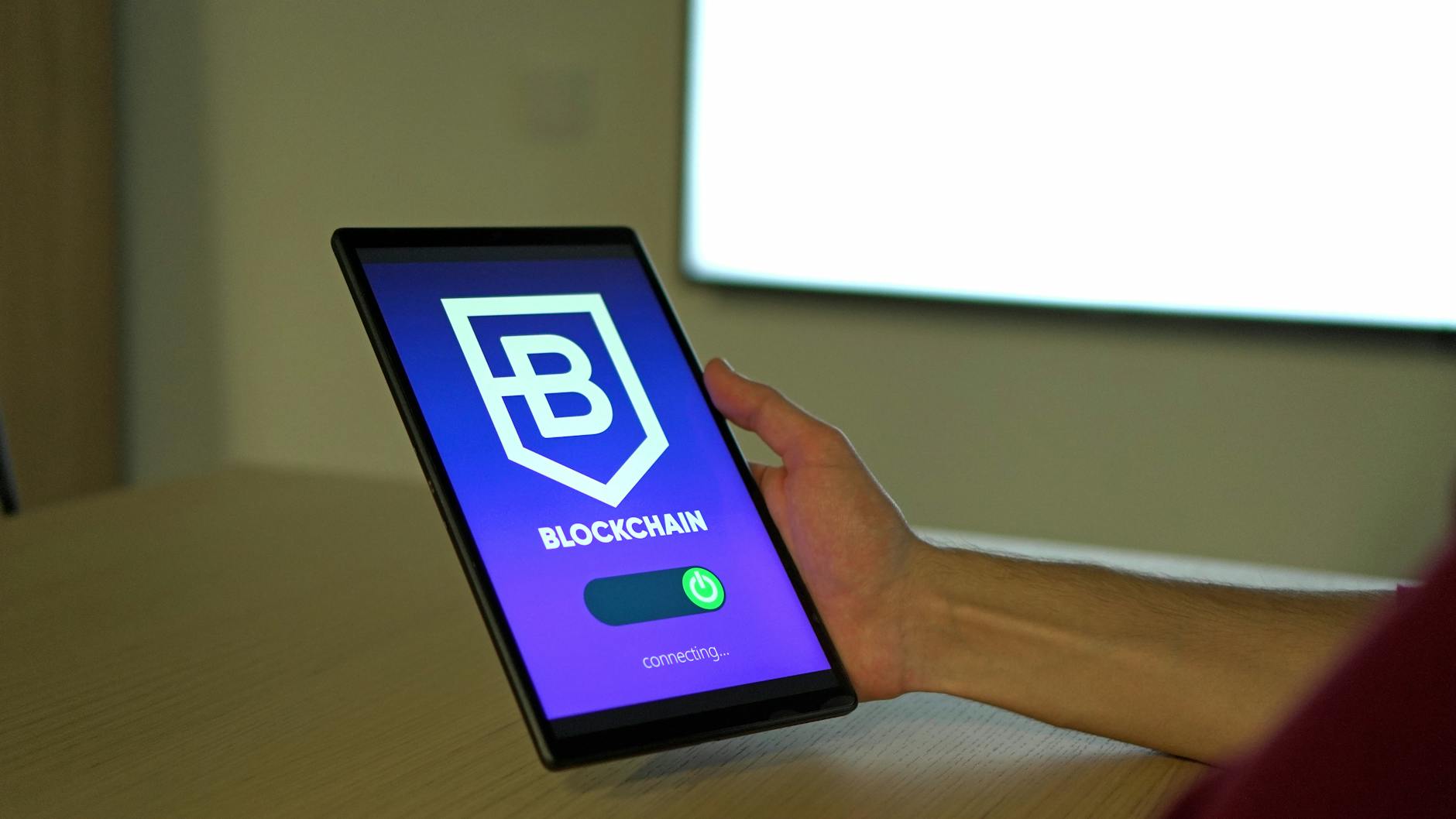
 Photo: RDNE Stock project / Pexels
 Photo: Morthy Jameson / Pexels
 Photo: Morthy Jameson / Pexels