Top Smart Home Devices 2024: Your Ultimate Guide
top smart home devices 2024

Top Smart Home Devices 2024: Your Ultimate Guide

Transform your home into an intelligent oasis with the most innovative smart technology available this year.

Explore Devices Now

Key Takeaways

  • ✓ The global smart home market is projected to reach over $180 billion by 2028, indicating rapid growth.
  • ✓ Interoperability and AI integration are key trends driving smart home innovation in 2024.
  • ✓ Energy efficiency and security remain primary motivators for smart home adoption.
  • ✓ Voice assistants like Amazon Alexa and Google Assistant continue to be central hubs for smart home control.

How It Works

1
Define Your Needs

Before buying, identify what aspects of your home life you want to improve – security, convenience, energy savings, or entertainment. This helps narrow down the vast array of options.

2
Choose a Smart Home Ecosystem

Decide on a primary platform (e.g., Apple HomeKit, Google Home, Amazon Alexa) to ensure compatibility and seamless integration between your chosen devices. This forms the backbone of your connected home.

3
Select Core Devices

Start with foundational devices like smart speakers, smart lighting, and smart thermostats. These often provide the most immediate and noticeable benefits, establishing a smart home base.

4
Expand and Automate

Gradually add more specialized devices such as smart locks, security cameras, or robotic vacuums. Utilize automation routines to create sophisticated scenarios that enhance daily living without manual input.

The Evolution of Smart Home Technology: What's New in 2024?

Close-up of a spherical smart speaker with illuminated base, perfect for modern interiors. Photo: Jonathan Borba / Pexels
The landscape of smart home technology is perpetually evolving, and 2024 marks a significant leap forward, emphasizing not just connectivity, but intelligent integration, enhanced security, and unprecedented energy efficiency. Gone are the days when smart homes were merely a collection of disparate gadgets controlled by different apps. Today, the focus is on creating a cohesive, intuitive ecosystem that anticipates your needs and simplifies your life. A major trend we're seeing is the rise of Matter, the new universal smart home standard, which promises to finally break down the barriers between different brands and platforms. This means devices from various manufacturers will communicate seamlessly, offering unparalleled flexibility and choice for consumers. For instance, a smart light bulb from one company can effortlessly interact with a smart thermostat from another, all controlled through your preferred hub or voice assistant. This interoperability is a game-changer, making it easier than ever to build a truly integrated smart home without worrying about compatibility headaches. Understanding smart home standards is crucial for any new buyer. Beyond interoperability, Artificial Intelligence (AI) and machine learning are increasingly embedded in devices, moving them beyond simple automation to proactive assistance. Smart thermostats are learning your preferences and adjusting temperatures even before you think about it, while smart cameras are getting better at distinguishing pets from people, reducing false alarms. Security features are also seeing significant upgrades, with advanced facial recognition, package detection, and even drone-based surveillance becoming more accessible. Privacy, however, remains a paramount concern, and leading manufacturers are investing heavily in robust encryption and user-controlled data settings to ensure your personal information stays secure. The push for sustainability is also driving innovation, with many top smart home devices 2024 now offering detailed energy consumption reports and optimized modes to reduce your carbon footprint and save on utility bills. From smart plugs that monitor appliance usage to intelligent irrigation systems that adapt to weather conditions, every aspect of home management is becoming smarter and greener. The sheer breadth of options can be overwhelming, but by focusing on your specific needs and understanding these overarching trends, you can make informed decisions to create a home that truly works for you.

Must-Have Smart Home Devices for Enhanced Security and Peace of Mind

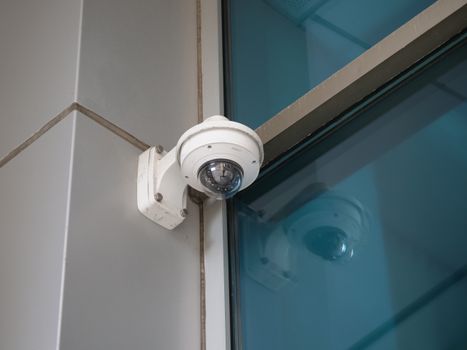
Modern CCTV camera mounted on a city building wall for security monitoring. Photo: Giant Asparagus / Pexels
When it comes to smart home devices, security often tops the list of priorities for homeowners. The ability to monitor your property, deter intruders, and receive instant alerts provides an invaluable sense of peace. In 2024, smart security systems have become more sophisticated, offering layered protection that goes beyond simple cameras. One of the cornerstone devices for any smart security setup is the smart doorbell. Models like the Ring Video Doorbell Pro 2 or the Google Nest Doorbell (wired) offer crystal-clear video, two-way audio, and advanced motion detection with person and package alerts. They integrate seamlessly with other smart devices, allowing you to see who's at your door from anywhere, even when you're not home, and communicate with visitors or delivery personnel. Complementing the doorbell are smart security cameras, both indoor and outdoor. Outdoor cameras such as the Arlo Pro 5S 2K or the EufyCam 3 boast features like 2K/4K resolution, color night vision, integrated spotlights, and local storage options, reducing reliance on cloud subscriptions. Indoor cameras, like the Wyze Cam v4 or the Ecobee SmartCamera, provide monitoring for pets, children, or elderly family members, often with pan-and-tilt capabilities and privacy shutters. The integration of AI in these cameras means fewer false alarms and more accurate detection of genuine threats. Smart locks are another crucial component for securing your home. Devices like the August Wi-Fi Smart Lock or the Schlage Encode Plus allow keyless entry via smartphone, keypad codes, or even fingerprint recognition. You can grant temporary access to guests or service providers, receive notifications when doors are locked or unlocked, and check the status of your doors remotely. These locks enhance convenience while significantly bolstering your home's perimeter security. Beyond individual devices, comprehensive smart home security systems, often from brands like SimpliSafe or Abode, offer professional monitoring options, integrated sensors (door/window, motion, glass break), and siren capabilities. These systems are designed to work together, creating a unified defense that can be armed or disarmed with a single command or schedule. The peace of mind that comes from knowing your home is protected by these advanced systems is truly transformative, making them essential additions to any modern smart home setup in 2024.

Elevating Comfort and Efficiency with Smart Climate and Lighting Solutions

Close-up of a modern digital thermostat mounted on a wall, displaying temperature settings in Celsius. Photo: Erik Mclean / Pexels
Beyond security, the top smart home devices 2024 excel at enhancing daily comfort and optimizing energy consumption, directly impacting your wallet and your environmental footprint. Smart thermostats are arguably the most impactful devices in this category. Leading models like the Ecobee Smart Thermostat Premium or the Google Nest Learning Thermostat go far beyond simple temperature control. They learn your schedule and preferences, adjust temperatures based on occupancy sensors, integrate with local weather forecasts, and even communicate with your utility provider for demand response programs. This intelligent management can lead to significant energy savings, often paying for themselves within a year or two. Many now include built-in air quality sensors and voice assistants, becoming central hubs for environmental control. Pair these with smart vents, and you can achieve zoned heating and cooling, directing comfort only to occupied rooms, further reducing waste. Smart lighting has also come a long way from simple on/off switches. Philips Hue remains a dominant player, offering an extensive ecosystem of bulbs, light strips, and fixtures that can be controlled via app, voice, or smart switches. However, other brands like Govee and Nanoleaf are pushing boundaries with innovative designs and advanced customization options, including dynamic scenes and music synchronization. The benefits extend beyond aesthetics; smart lighting can be programmed to mimic occupancy when you're away, deterring potential intruders, or to gradually brighten in the morning for a more natural wake-up experience. They also offer dimming capabilities that save energy and extend bulb life. Exploring smart home energy solutions reveals even more potential. Smart plugs, while seemingly simple, are incredibly versatile. Devices like those from TP-Link Kasa or Wemo allow you to turn any 'dumb' appliance into a smart one, enabling remote control, scheduling, and energy monitoring. Imagine turning off a forgotten curling iron from work or scheduling your coffee maker to start brewing before you even get out of bed. These small but mighty devices contribute significantly to both convenience and energy efficiency. The integration of these climate and lighting solutions creates a truly comfortable and responsive home environment. Your lights can dim automatically as the sun sets, your thermostat can pre-cool the house before you arrive home from work, and all of it can be managed from a single app or with a simple voice command, making your living space effortlessly efficient and enjoyable.

Integrating Entertainment and Convenience: Top Gadgets for a Smarter Lifestyle

VR headset and controllers placed on a comfortable beige sofa. Photo: Tima Miroshnichenko / Pexels
Beyond the essentials of security and climate control, the top smart home devices 2024 also excel at elevating your entertainment and overall convenience. These gadgets transform routine tasks into effortless experiences and bring a new dimension to leisure. Smart speakers and displays continue to be the central nervous system for many smart homes. The Amazon Echo Show 8 (3rd Gen) and the Google Nest Hub Max stand out for their combination of excellent sound quality, vibrant displays for video calls and streaming, and robust smart home control capabilities. They serve as voice assistants, intercoms, digital photo frames, and even kitchen companions, displaying recipes or playing music. Their ability to integrate with a vast array of other devices makes them indispensable hubs for managing your entire smart ecosystem. For entertainment, smart TVs from brands like Samsung (with Tizen OS) and LG (with webOS) are no longer just screens; they are integrated platforms that offer voice control, built-in streaming apps, and seamless connectivity with other smart devices. You can use your TV to view security camera feeds, manage smart lights, or even control your thermostat, all from the comfort of your couch. Robotic vacuum cleaners, such as the iRobot Roomba Combo j9+ or the Roborock S8 Pro Ultra, have become incredibly advanced. They not only vacuum but also mop, empty their own dustbins, and navigate complex floor plans with precision, avoiding obstacles like pet waste and charging cables. Scheduled cleaning routines mean you can come home to spotless floors without lifting a finger, freeing up valuable time. Smart kitchen appliances are also gaining traction. From smart ovens that can preheat remotely and suggest recipes to smart refrigerators that manage your grocery list and display family schedules, these devices aim to streamline meal preparation and food management. While still a luxury for many, their increasing sophistication suggests they will become more commonplace in the coming years. Finally, smart blinds and shades offer a blend of convenience, privacy, and energy efficiency. Brands like Lutron and Bali provide motorized solutions that can be scheduled to open and close at specific times, protecting your furniture from harsh sunlight or providing instant privacy with a voice command. These devices collectively contribute to a home that is not just smart, but truly intuitive and enjoyable, simplifying daily routines and enhancing your quality of life.

Comparison

FeatureSmart Thermostat (Ecobee Smart Thermostat Premium)Smart Doorbell (Ring Video Doorbell Pro 2)Smart Speaker (Amazon Echo Show 8)Robotic Vacuum (Roborock S8 Pro Ultra)
Primary FunctionClimate Control, Energy SavingsFront Door Security, CommunicationVoice Assistant, Media, HubAutomated Cleaning
Key FeatureRoom sensors, Air Quality, Voice AI3D Motion Detection, Head-to-Toe HD Video8" HD Screen, Alexa Built-in, CameraVacuum & Mop, Auto-Empty/Wash Dock
Ecosystem Compatibility✓ (Alexa, Google Home, HomeKit)✓ (Alexa)✓ (Alexa ecosystem)✓ (Alexa, Google Home, app)
Average Price (USD)"$250""$250""$150""$1600"

What Readers Say

"The top smart home devices 2024 truly transformed my home! My smart thermostat learned my schedule in a week, and my smart doorbell gives me such peace of mind. It's like living in the future."

Sarah J. · Austin, TX

"I was skeptical, but the integration between my new smart lights and security system is seamless. Everything just works together, making daily life much easier and more secure. Highly recommend exploring these options."

Mark D. · Seattle, WA

"My energy bills have actually gone down since installing a smart thermostat and smart plugs from the top smart home devices 2024 list. The convenience of controlling everything from my phone is a huge bonus, saving me about $50 a month!"

Emily R. · Miami, FL

"While most devices are fantastic, I did encounter a minor setup hiccup with one of my smart locks. Once resolved, its functionality has been flawless, and the peace of mind it offers is worth the initial effort."

David K. · Chicago, IL

"As a busy professional, the robotic vacuum and smart kitchen gadgets from the top smart home devices 2024 have been life-changers. My home stays clean, and meal prep is less stressful, giving me back precious time."

Jessica L. · Denver, CO

Frequently Asked Questions

What are the most essential top smart home devices 2024 for a beginner?

For beginners, starting with a smart speaker (like an Amazon Echo or Google Nest Hub), a smart thermostat (Ecobee or Nest), and a few smart light bulbs (Philips Hue or Wyze) is highly recommended. These devices offer immediate benefits in terms of convenience and energy savings, forming a solid foundation for your smart home journey.

Is smart home technology secure from hackers?

While no system is entirely impervious, leading smart home device manufacturers invest heavily in security protocols, including encryption and regular software updates. It's crucial to use strong, unique passwords, enable two-factor authentication, and keep your device firmware updated to minimize risks. Reputable brands prioritize user data protection.

How do I ensure my smart home devices are compatible with each other?

To ensure compatibility, it's best to choose a primary smart home ecosystem (e.g., Amazon Alexa, Google Home, Apple HomeKit) and look for devices that explicitly state compatibility with that platform. The new Matter standard is also designed to improve interoperability across different brands, making future integrations much simpler.

Are top smart home devices 2024 expensive to maintain?

The initial investment can vary, but many smart home devices, particularly those focused on energy efficiency like smart thermostats, can lead to significant long-term savings on utility bills. Most devices are low-maintenance, requiring only occasional software updates. Some services, like cloud storage for security camera footage, may incur optional monthly fees.

What's the difference between a smart speaker and a smart display?

A smart speaker (e.g., Amazon Echo Dot) primarily offers voice-controlled assistance, music playback, and smart home control through audio commands. A smart display (e.g., Google Nest Hub Max) includes all these features but adds a visual screen, allowing for video calls, recipe viewing, security camera feeds, and a more interactive user interface.

Who should consider investing in top smart home devices 2024?

Anyone looking to enhance convenience, improve home security, save on energy costs, or simply streamline daily routines can benefit. From busy professionals seeking automation to families wanting better monitoring, or even tech enthusiasts, smart home devices offer tailored solutions for a wide range of lifestyles and needs.

What are the privacy implications of using smart home devices?

Privacy is a valid concern. Smart devices collect data to function effectively, but reputable brands offer robust privacy settings, data encryption, and transparent policies. Users should review these settings, understand what data is collected, and choose devices from companies with strong privacy track records to protect their personal information.

What are the future trends for top smart home devices 2024 and beyond?

Future trends include greater adoption of the Matter standard for seamless interoperability, more advanced AI for predictive automation and personalized experiences, enhanced energy management features, and the integration of health and wellness monitoring into the home environment, creating truly intelligent and responsive living spaces.

Embrace the future of living by integrating the top smart home devices 2024 into your residence. Whether your goal is enhanced security, unparalleled comfort, or significant energy savings, there's a smart solution waiting to transform your everyday experience. Start building your intelligent home today and discover the convenience and peace of mind it brings.

Topics: top smart home devices 2024best smart home gadgetssmart home technologyhome automation 2024connected home devices
Leo List
Brampton weed
Adultwork EstrelaBet Vai de Bet R7 Bet Betão Galera Bet Rainbet Bet9ja Shop SportyBet BetKing Sisal Loto Foot Hollywoodbets YesPlay Odibets RushBet Jugabet BetWarrior BetCity MSport betPawa Fortebet