How to Rent a Car in Barcelona: Your Ultimate Guide
how to rent a car in Barcelona

How to Rent a Car in Barcelona: Your Ultimate Guide

Navigate Barcelona and beyond with confidence – master car rental essentials for a truly unforgettable Spanish adventure.

Start Your Rental Journey

Key Takeaways

  • ✓ An International Driving Permit (IDP) is legally required for US citizens.
  • ✓ Booking online in advance typically offers better rates and vehicle selection.
  • ✓ Manual transmission cars are more common than automatics in Spain.
  • ✓ Be aware of ZBE (Low Emission Zones) in Barcelona and surrounding areas.

How It Works

1
Prepare Your Documents

Gather your valid US driver's license, an International Driving Permit (IDP), and a major credit card. Ensure your passport is also readily accessible for identification.

2
Choose Your Vehicle & Provider

Research rental companies like Sixt, Hertz, Europcar, and local Spanish providers. Select a car class that suits your needs, considering luggage space and fuel efficiency for European roads.

3
Book Online in Advance

Utilize price comparison websites or direct rental company sites to secure your booking. Pre-booking often yields better deals and guarantees availability, especially during peak season.

4
Understand Local Rules & Pick-Up

Familiarize yourself with Spanish traffic laws, speed limits, and parking regulations. At pick-up, thoroughly inspect the vehicle for existing damage and clarify fuel policy and insurance coverage.

The Essentials: Documents and Requirements for Car Rental in Barcelona
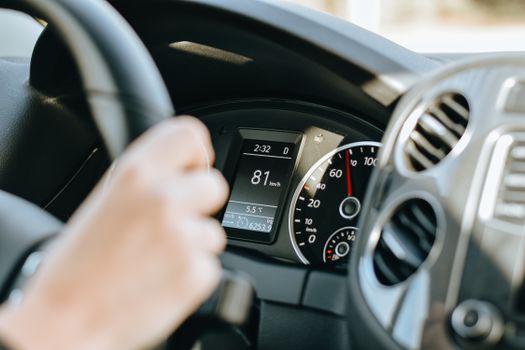
Crop anonymous person holding black steering wheel and driving car in sunny day Photo: Tim Gouw / Pexels
Renting a car in Barcelona, while straightforward, requires meticulous preparation, especially concerning documentation. For US citizens, the primary requirement beyond your standard valid US driver's license is an International Driving Permit (IDP). This isn't just a suggestion; it's a legal mandate in Spain for non-EU license holders. The IDP translates your driver's license into multiple languages, making it understandable to local authorities. You can obtain an IDP relatively easily through organizations like AAA or AATA in the United States. It's crucial to remember that the IDP is only valid when presented alongside your physical US driver's license; it does not replace it. Beyond your driving credentials, a major credit card in the primary driver's name is indispensable. Rental companies use this for a security deposit, which can range from a few hundred to over a thousand euros, depending on the vehicle class and rental company policies. Debit cards are typically not accepted for deposits, or if they are, they come with much stricter conditions and higher hold amounts. Ensure your credit card has sufficient available credit to cover this deposit, as a decline could lead to your rental being refused. Age restrictions are another critical factor. Most rental companies in Spain require drivers to be at least 21 years old, and some may even have a higher minimum age (e.g., 23 or 25) for certain vehicle categories. Furthermore, drivers under 25 years old often incur a 'young driver' surcharge, which can significantly increase the total cost of your rental. It's vital to check these age requirements and potential surcharges during the booking process to avoid surprises. Some companies also have maximum age limits, though these are less common. Another point of consideration is the duration your driver's license has been held. Many rental agencies stipulate that you must have held a valid driver's license for at least one year, sometimes even two. This is a standard practice to ensure drivers have adequate experience. Always have your passport handy, as it serves as your primary form of identification when picking up the vehicle and is often required by rental agents to verify your identity against your driver's license and credit card. These seemingly minor details are pivotal for a smooth pick-up experience and to comply with Spanish law, preventing any potential roadblocks to your Catalan adventure. Understanding these foundational requirements is the first step in mastering car rental logistics in a foreign country. Without proper documentation, even the best-laid travel plans can quickly unravel, making pre-trip preparation paramount.

Navigating the Booking Process: Tech-Savvy Strategies for Best Deals

Close-up of a smartphone displaying a billing app interface on a reflective surface. Photo: Torsten Dettlaff / Pexels
In today's digital age, the process of reserving a car in Barcelona is heavily reliant on technology, offering both convenience and opportunities for significant savings. The first step involves leveraging online comparison websites such as Kayak, Skyscanner, Rentalcars.com, or Expedia. These platforms aggregate deals from numerous rental agencies, allowing you to compare prices, vehicle types, and terms side-by-side. By inputting your desired pick-up and drop-off locations and dates, you can quickly get a comprehensive overview of the market. It's often advisable to check both major international brands (Hertz, Europcar, Sixt, Avis) and reputable local Spanish companies, as smaller local agencies sometimes offer competitive rates, though their insurance policies or vehicle fleets might differ. Booking well in advance is perhaps the most effective strategy for securing the best rates and ensuring vehicle availability, especially during peak tourist seasons (summer, Easter, major holidays). Prices tend to escalate as your travel date approaches, and popular car categories, particularly automatics, can become scarce. Many online platforms also offer flexible booking options, allowing you to cancel or modify your reservation without penalty up to a certain point, which provides peace of mind if your travel plans are subject to change. When reviewing options, pay close attention to the details of what's included in the price. The advertised 'daily rate' can be deceptive. Look for information on unlimited mileage, basic collision damage waiver (CDW), and theft protection (TP). While these are often included, their specific terms can vary. Be wary of additional fees for things like GPS, child seats, additional drivers, or one-way rentals. These add-ons can significantly inflate the final cost. Many tech-forward rental platforms allow you to customize your rental with these extras online, giving you a transparent view of the total price before committing. Fuel policy is another crucial element to scrutinize. The most common and generally preferred policy is 'full-to-full,' where you pick up the car with a full tank and return it full. This ensures you only pay for the fuel you use at local pump prices. Be cautious of 'full-to-empty' policies, which often charge inflated rates for the initial tank of fuel and offer no refund for unused fuel. Some companies also offer 'pre-purchase with partial refund,' which can be a middle ground but requires careful calculation. Finally, consider the benefits of joining loyalty programs of major rental companies. While you might not rent frequently enough to accumulate significant points, members sometimes receive exclusive discounts, expedited service, or even free upgrades. Utilizing incognito mode in your browser when searching for deals can also sometimes prevent dynamic pricing algorithms from showing you higher prices based on your search history. By being a savvy digital shopper, you can significantly reduce the cost and complexity of your Barcelona car rental.

You may also find Rent Car Barcelona useful.

Understanding Insurance and Local Driving Laws in Spain

A businessman reviews documents on a laptop while traveling in the backseat of a car. Photo: RDNE Stock project / Pexels
Insurance is arguably the most complex and critical aspect of renting a car in a foreign country, and Spain is no exception. At a minimum, all rental cars in Spain are legally required to have third-party liability insurance, which covers damages or injuries to other vehicles or individuals in an accident. However, this basic coverage does not protect you or the rental car itself. Most rentals will include a Collision Damage Waiver (CDW) and Theft Protection (TP) with an excess (deductible). The excess is the amount you are liable for in case of damage or theft before the insurance kicks in. This can be substantial, often ranging from €600 to €2000. To mitigate this financial risk, you have several options. You can purchase additional coverage directly from the rental company, often referred to as 'Super CDW' or 'Full Protection,' which reduces or entirely waives the excess. While convenient, this can be quite expensive, sometimes adding 20-50% to your daily rental rate. Alternatively, many credit cards offer secondary car rental insurance as a benefit, provided you use that card to pay for the entire rental. It's crucial to contact your credit card provider before your trip to understand their specific terms, coverage limits, and any exclusions (e.g., certain vehicle types, countries, or damage to tires/windshield). Remember, credit card insurance is usually secondary, meaning it kicks in after your primary insurance (which might be your personal auto insurance policy, though many US policies don't cover international rentals). Independent travel insurance policies can also offer car rental excess coverage, often at a more competitive price than the rental company's full protection. These policies are purchased separately and reimburse you for the excess amount charged by the rental company in case of damage. Always read the fine print to ensure the coverage is comprehensive enough for your needs. When picking up the car, the rental agent will likely try to sell you their full protection package. Be prepared to politely decline if you have adequate external coverage, but ensure you understand what you are declining. Beyond insurance, understanding Spanish driving laws is paramount for a safe and legal journey. Driving is on the right-hand side of the road, and seatbelts are mandatory for all occupants. Speed limits are strictly enforced, often by cameras, and typically range from 50 km/h in urban areas, 90 km/h on conventional roads, and 120 km/h on motorways (autopistas). Fines for speeding, parking violations, and using a mobile phone while driving are steep. Alcohol limits are also lower than in many US states (0.5 g/L blood alcohol content, compared to 0.8 g/L in most US states), and for new drivers (under two years experience), it's even lower (0.3 g/L). Urban areas like Barcelona have implemented Low Emission Zones (ZBE – Zonas de Bajas Emisiones) to reduce air pollution. Vehicles entering these zones must meet specific emission standards and display an environmental sticker (Distintivo Ambiental). Rental cars usually come with the appropriate sticker, but it's wise to confirm with the rental company. Driving an unauthorized vehicle into a ZBE can result in significant fines. Parking can also be challenging and expensive in Barcelona. Look for underground parking garages (aparcamientos subterráneos) or designated blue (paid street parking) or green (resident parking, limited time for non-residents) zones. Familiarizing yourself with these regulations before hitting the road will ensure a stress-free and compliant driving experience in Catalonia. This holistic approach to travel safety and compliance is essential for any international road trip.

Practical Tips and Common Mistakes to Avoid When Renting in Barcelona

A businessman in a suit unlocking a classic yellow car on an urban street. Photo: Andrea Piacquadio / Pexels
Renting a car in Barcelona can be an empowering experience, offering unparalleled freedom to explore Catalonia's diverse landscapes. However, a few practical tips and awareness of common pitfalls can significantly enhance your journey. **Practical Tips for a Smooth Rental:** * **Inspect Thoroughly at Pick-up:** Before driving away, meticulously inspect the vehicle for any existing scratches, dents, or damage, inside and out. Take photos or videos as evidence, and ensure all existing damage is noted on your rental agreement. This prevents you from being charged for pre-existing issues upon return. * **Understand Fuel Policy:** Reiterate the 'full-to-full' fuel policy. If you opt for 'full-to-empty,' calculate if it's truly cost-effective for your travel plans. * **GPS or Google Maps:** While rental companies offer GPS, using your smartphone with Google Maps or Waze is often more convenient and up-to-date. Ensure you have an international data plan or download offline maps. * **Manual vs. Automatic:** Be aware that manual transmission cars (stick shift) are far more prevalent and often cheaper in Spain. If you can only drive an automatic, book well in advance and expect to pay a premium. * **Toll Roads:** Spain has both free and toll roads (autopistas). Tolls can be paid with cash or credit card at the booths, or you can opt for an electronic toll device (e.g., Via-T) from the rental company for seamless passage. * **Parking Strategy:** In Barcelona, parking can be a nightmare. Utilize underground parking garages for secure and often more convenient parking. Learn to identify blue (paid, limited time) and green (resident preference, very limited time for visitors) street parking zones. * **Breakdown Assistance:** Confirm what breakdown assistance is included with your rental and how to contact them in case of an emergency. **Common Mistakes to Avoid:** * **Ignoring the IDP:** Not obtaining an International Driving Permit (IDP) is a common and costly mistake, as it's legally required for US citizens and can lead to fines or even rental refusal. * **Skipping Insurance Review:** Assuming your personal or credit card insurance covers everything internationally without verification. Always confirm coverage specifics before you travel. * **Not Documenting Damage:** Failing to thoroughly inspect and document pre-existing damage can result in charges for damage you didn't cause. * **Driving into ZBE Zones Unaware:** Entering Barcelona's Low Emission Zones (ZBE) without understanding the rules or ensuring your rental car is compliant can lead to hefty fines. * **Underestimating Parking Difficulties:** Attempting to find free or cheap street parking in central Barcelona is often a futile and frustrating endeavor. Budget for paid parking. * **Not Understanding Fuel Policy:** Getting stuck with an expensive 'full-to-empty' fuel charge when you only plan to drive a short distance. * **Late Returns:** Returning the car even slightly late can often result in an additional full day's charge. Plan your return time carefully. By keeping these tips in mind and being proactive about avoiding common errors, your car rental experience in Barcelona will be a smooth, enjoyable, and integral part of your Spanish adventure.

Comparison

FeatureOnline Booking (Aggregator)Direct Rental CompanyLocal Spanish Provider
Price ComparisonExcellent (wide range)Good (brand-specific deals)Variable (can be very competitive)
Vehicle SelectionBroadest (across multiple fleets)Specific to brand's fleetOften smaller, specialized fleets
Flexibility (Cancellation)Often good, depends on providerVaries by company & rateCan be less flexible
Insurance ClarityCan be complex via third-partyClear, direct optionsMay require careful translation
Customer ServiceLayered (aggregator + rental co.)Direct supportPersonalized, but language barrier possible
Loyalty Programs
IDP Requirement

What Readers Say

"Renting a car in Barcelona felt daunting, but this guide broke down every step. The tip about getting an IDP saved me so much hassle at the rental desk. We explored Girona and Montserrat effortlessly!"

Sarah J. · Austin, TX

"I used the online booking strategies mentioned here and found a fantastic deal on an automatic. Understanding the ZBE zones beforehand was crucial – no unexpected fines for us!"

Mark D. · Seattle, WA

"The detailed explanation of insurance options was incredibly helpful. I opted for my credit card's coverage after reading this, saving a good chunk of money on the rental company's add-ons."

Emily R. · Chicago, IL

"Great advice overall. I wish I'd paid more attention to the manual vs. automatic point, as finding an automatic last minute was a bit pricey. Still, the guide made the rest of the process very smooth."

David L. · Boston, MA

"As a first-time driver in Europe, I was nervous. This article's emphasis on documenting pre-existing damage and understanding fuel policies made me feel prepared. Our road trip through Catalonia was incredible!"

Jessica M. · San Francisco, CA

Frequently Asked Questions

Is an International Driving Permit (IDP) truly necessary to rent a car in Barcelona for US citizens?

Yes, absolutely. For US citizens, an International Driving Permit (IDP) is a legal requirement in Spain. While some rental agencies might not ask for it at pick-up, Spanish traffic police can fine you if you're caught driving without one. It translates your US license into multiple languages and is valid only when presented alongside your physical US driver's license.

What if my credit card doesn't offer primary car rental insurance?

If your credit card only offers secondary insurance or none at all, you have a few options. You can purchase the rental company's full protection package (though it's often expensive), buy a standalone car rental excess insurance policy from a third-party provider, or check if your personal auto insurance policy offers international rental coverage (many US policies do not).

How do I avoid driving into Barcelona's Low Emission Zones (ZBE) by mistake?

Barcelona's ZBE is active on weekdays. If your rental car is compliant (which most modern rentals are and come with the required sticker), you can drive through. If not, plan routes that bypass the city center, or park on the outskirts and use public transport. Always confirm your rental car's compliance with the agency and look for ZBE signage.

Is it cheaper to rent a car at Barcelona-El Prat Airport (BCN) or in the city center?

Renting at Barcelona-El Prat Airport (BCN) is often more convenient and can sometimes be cheaper due to higher competition, but it might incur airport surcharges. City center locations can be pricier and harder to access. Compare prices for both options, factoring in public transport costs to reach city depots.

Should I choose a manual or automatic transmission when renting in Barcelona?

Manual transmission cars are significantly more common and generally cheaper in Spain. If you are comfortable driving a stick shift, it will give you more options and save money. If you can only drive an automatic, book well in advance, as they are in higher demand and often come with a premium price tag.

Who should consider renting a car in Barcelona?

Renting a car in Barcelona is ideal for travelers planning to explore regions beyond the city, such as the Costa Brava, Pyrenees, Montserrat, or wine country. It offers flexibility and convenience for day trips or multi-day excursions. For solely exploring Barcelona itself, public transport is usually more efficient and cost-effective.

What are the common scams or hidden fees to watch out for?

Beware of 'full-to-empty' fuel policies that charge inflated prices, pushy sales tactics for unnecessary insurance (especially if you have external coverage), charges for pre-existing damage not documented at pick-up, and unexpected fees for extra drivers, GPS, or child seats if not clarified upfront. Always read the rental agreement thoroughly.

How is car rental technology evolving in Barcelona?

Car rental technology in Barcelona is moving towards app-based bookings, keyless pick-up/drop-off, and integrated digital services like real-time traffic updates and parking assistance. Electric vehicle (EV) rentals are also becoming more available, supported by a growing network of charging stations, especially for environmentally conscious travelers.

Ready to unlock the beauty of Catalonia on your own terms? By following this comprehensive guide on how to rent a car in Barcelona, you're now equipped with the knowledge to secure the best deal, navigate local regulations, and embark on an unforgettable Spanish adventure with confidence. Start planning your road trip today!

Topics: how to rent a car in Barcelonacar rental Barcelona tipsBarcelona car hire guidedriving in Cataloniainternational driving permit Spain
Leo List
Brampton weed
Adultwork