Driving in Italy: Car rental essentials for US travelers
driving in Italy car rental

Driving in Italy: Car rental essentials for US travelers

Navigate Italy's scenic routes and charming towns with confidence. Your ultimate guide to hassle-free car rental.

Plan Your Italian Drive

Key Takeaways

  • ✓ An International Driving Permit (IDP) is legally required for US citizens driving in Italy.
  • ✓ Many Italian city centers are restricted traffic zones (ZTLs) with hefty fines for unauthorized entry.
  • ✓ Automatic transmission cars are less common and more expensive to rent in Italy.
  • ✓ Full-coverage insurance, including collision damage waiver (CDW) and theft protection (TP), is highly recommended.

How It Works

1
Obtain Your International Driving Permit (IDP)

Before leaving the US, apply for an IDP through AAA or AATA. This document translates your US license and is mandatory for legal driving in Italy.

2
Book Your Rental Car Strategically

Reserve your vehicle well in advance, especially for automatic transmissions or specific car sizes. Compare prices and insurance options from various reputable rental agencies.

3
Understand Italian Road Rules & Signage

Familiarize yourself with speed limits, roundabouts, and parking regulations. Pay close attention to ZTL signs to avoid costly fines.

4
Pre-Trip Vehicle Inspection & Documentation

Upon pick-up, thoroughly inspect the car for existing damage and ensure all rental documents, including insurance details, are in order before driving off.

Navigating the Italian Rental Car Landscape for US Drivers

Beautiful view of a foggy Tuscan landscape with a winding road and cypress trees. Photo: Mehmet Turgut Kirkgoz / Pexels
For many US travelers, the allure of Italy lies not just in its iconic cities but also in the freedom to explore its picturesque countryside, ancient villages, and stunning coastlines at their own pace. This often means opting for a rental car. However, approaching car rental in Italy without adequate preparation can lead to unexpected challenges and expenses. The process, while similar in some aspects to renting a car in the US, harbors crucial differences that every American driver must understand. From mandatory documentation to the types of vehicles available and the intricacies of insurance, a comprehensive overview is essential. Firstly, let's address the fundamental requirement: the International Driving Permit (IDP). For US citizens, your standard state-issued driver's license is not sufficient to legally operate a vehicle in Italy. Italian law mandates that non-EU drivers carry an IDP, which serves as a translation of your domestic license into multiple languages. This is not an alternative to your US license; rather, it must be presented *alongside* your valid US license. Obtaining an IDP is a straightforward process, typically handled by the American Automobile Association (AAA) or the American Automobile Touring Alliance (AATA) in the US. It's a relatively inexpensive document, valid for one year, and can save you from significant fines or even legal complications should you be pulled over by local authorities. Don't underestimate its importance; rental agencies may not always ask for it at pick-up, but law enforcement certainly will. Secondly, the type of vehicle you choose will significantly impact your driving experience. Italian roads, particularly in older towns and rural areas, are often narrower and more winding than what US drivers are accustomed to. Smaller cars are generally more practical for navigating tight streets, fitting into compact parking spaces, and maneuvering through heavy traffic. While automatic transmission vehicles are the norm in the US, manual transmission (stick shift) cars still dominate the rental fleets in Italy. If you're not proficient in driving a manual, be sure to specifically request and confirm an automatic transmission when booking. Be prepared for a higher rental cost and potentially fewer options if you insist on an automatic. Booking well in advance is paramount, especially during peak travel seasons, to secure your preferred vehicle type. Understanding these initial hurdles in the Italian rental car landscape is your first step towards a seamless and enjoyable road trip through this beautiful country. It's about being informed and proactive, ensuring your journey is filled with pleasant discoveries rather than avoidable frustrations. For more general travel tips, consider checking out this guide on smart travel tech.

Deciphering Italian Road Rules, Signage, and the ZTL Maze

A businessman reviews documents on a laptop while traveling in the backseat of a car. Photo: RDNE Stock project / Pexels
Once you have your rental car and IDP in hand, the next critical phase involves understanding the nuances of Italian road rules and, perhaps most importantly, deciphering its unique signage, especially concerning Restricted Traffic Zones, or ZTLs (Zona a Traffico Limitato). Ignoring these can lead to a cascade of expensive fines that often arrive months after your trip, long after you've returned home. Italian road rules share many similarities with US regulations, such as driving on the right side of the road and seatbelt mandates. However, key differences exist. Speed limits are strictly enforced, often by automated cameras. On autostrade (motorways), the general limit is 130 km/h (approx. 80 mph), 90-110 km/h (55-68 mph) on main non-urban roads, and 50 km/h (31 mph) in urban areas. These limits are frequently lower in specific zones, and signage will indicate these changes. Pay close attention to roundabouts, which are ubiquitous; yield to traffic already in the roundabout, and use your indicators correctly. Parking in Italy can be a significant challenge. Blue lines typically indicate paid parking, requiring you to find a parking meter (parcometro) or purchase a scratch card (gratta e sosta) from a tabaccheria. White lines usually denote free parking, but these are rare in city centers. Yellow lines are reserved for residents or specific purposes and should be avoided entirely. Violating parking rules can result in towing or hefty fines. Now, let's talk about ZTLs. These are perhaps the biggest pitfall for unsuspecting tourists. ZTLs are designated areas, usually within historic city centers, where traffic is restricted during certain hours to reduce congestion and pollution. They are clearly marked with a circular white sign with a red border, often accompanied by text indicating the hours of operation and exceptions. The critical point for tourists is that rental cars are almost never exempt from ZTL restrictions. If you drive into a ZTL without authorization (which is typically reserved for residents or specific deliveries), a camera records your license plate, and a fine is issued. These fines can accumulate for each unauthorized entry, even if you pass through multiple times in a single day. Some hotels in ZTL areas can register your car with authorities for temporary access, but you must confirm this *in advance* with your hotel. Always err on the side of caution: if you see a ZTL sign, assume you cannot enter, and look for designated parking outside the zone. Utilise navigation apps that offer ZTL warnings, but never rely solely on them; always observe road signs. Understanding these regulations and the ZTL system is paramount to a stress-free driving experience in Italy.

See also: Noleggio auto in Italia.

Essential Car Rental Insurance and Roadside Assistance in Italy
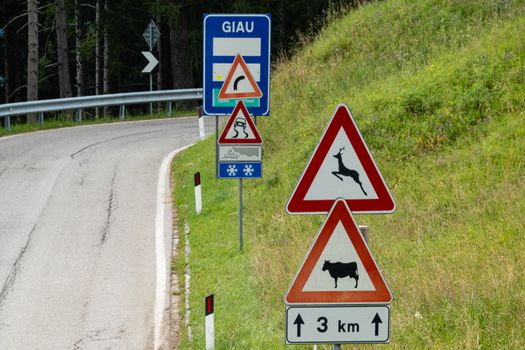
Mountain road signs near Giau Pass indicating potential hazards including wildlife. Scenic summer view. Photo: Jose Rodriguez Ortega / Pexels
Securing the right car rental insurance is not merely a formality when driving in Italy; it’s a crucial safeguard that can protect you from substantial financial liability. The insurance landscape differs significantly from the US, and understanding your options is vital before you even pick up the keys. While your US personal car insurance policy or credit card benefits might offer some coverage, they rarely provide comprehensive protection abroad, especially for theft and specific types of damage. In Italy, as in most of Europe, two types of insurance are typically mandatory and included in the base rental price: Third-Party Liability (TPL) and Collision Damage Waiver (CDW). TPL covers damages to other vehicles or property and injuries to third parties if you are at fault. CDW, often referred to as Loss Damage Waiver (LDW) by some rental companies, limits your financial responsibility for damage to the rental car itself. However, CDW almost always comes with a deductible (excess), meaning you are responsible for the first portion of repair costs, which can range from several hundred to over a thousand euros. Beyond the basic CDW, it is highly recommended to consider additional coverage. Super CDW or Full Protection insurance plans are offered by rental companies and eliminate or significantly reduce this deductible, offering peace of mind. Theft Protection (TP) is another critical component, as car theft, particularly in larger cities, can be a concern. Like CDW, TP often has an excess, and you may want to purchase a Super TP to reduce this to zero. Many credit cards offer rental car insurance as a benefit, but these usually provide secondary coverage, meaning they kick in only after your primary insurance (or the rental company's basic CDW) has paid out. Crucially, credit card coverage often excludes specific vehicle types (luxury cars, SUVs) and, more importantly, may not cover theft or liability to third parties. Always call your credit card company directly to understand their specific terms and exclusions for international rentals. It's also important to note that many credit card coverages require you to decline the rental company's CDW entirely, which can be problematic if the rental company insists on it or if your credit card's coverage proves insufficient. Consider purchasing a standalone, third-party rental car insurance policy from an independent provider before your trip. These policies often offer comprehensive coverage, including CDW, TP, and sometimes even liability, at a more competitive price than the rental counter. They can also cover deductibles that credit cards or basic rental agreements do not. Finally, ensure your rental agreement includes roadside assistance. While not strictly insurance, it’s invaluable for mechanical breakdowns, flat tires, or lockouts. Knowing that help is just a phone call away can prevent minor inconveniences from becoming major headaches. While the prospect of navigating insurance options might seem daunting, investing time in understanding and securing the right coverage is a non-negotiable step for a worry-free Italian road trip. For more insights on financial preparations, explore resources like budgeting for tech travel.

Top Tips and Common Mistakes to Avoid When Driving in Italy

Driving in Italy can be an incredibly rewarding experience, offering unparalleled freedom to explore. However, it's also fraught with potential pitfalls for the uninitiated. By being aware of common mistakes and adopting strategic tips, you can significantly enhance your journey and avoid unnecessary stress and expenses. **Top Tips for a Smooth Italian Drive:** * **Get an IDP (International Driving Permit) - No Exceptions:** As mentioned, this is non-negotiable for US citizens. Obtain it from AAA or AATA before you leave. * **Book an Automatic Transmission Early:** If you can't drive a manual, book an automatic car weeks or even months in advance, especially during peak season, as they are less common and more expensive. * **Opt for a Smaller Car:** Italian roads and parking spaces are often tight. A smaller vehicle will make navigating cities and villages much easier. * **Invest in Comprehensive Insurance:** Don't skimp on insurance. Full coverage, including zero-deductible CDW and TP, is highly recommended for peace of mind. * **Understand ZTLs Thoroughly:** This cannot be stressed enough. Learn to identify ZTL signs and plan your routes to avoid them. Park outside city centers and walk or use public transport. * **Carry Change for Tolls:** The Italian autostrade are toll roads. While some booths accept credit cards, having small euro denominations or coins is useful, especially for older booths or smaller roads. * **Utilize Offline Maps:** GPS can be a lifesaver, but cell service can be spotty in rural areas. Download offline maps (Google Maps, Waze) before your trip. * **Be Prepared for Aggressive Drivers:** Italian drivers can be assertive. Stay alert, anticipate maneuvers, and don't take it personally. Maintain a safe following distance. * **Check Parking Rules Carefully:** Always look for signs indicating parking restrictions (blue for paid, white for free/rare, yellow for restricted). Fines for illegal parking are common. * **Inspect Your Rental Car Thoroughly:** Before driving off, document any existing dents or scratches with photos or videos. Ensure the rental agreement reflects these to avoid being charged later. **Common Mistakes to Avoid:** * **Ignoring ZTLs:** This is the #1 source of fines for tourists. A single mistake can lead to multiple fines if you drive in and out of the zone. * **Not Having an IDP:** Driving without one is illegal and can result in significant fines if stopped by police. * **Under-insuring Your Rental:** Relying solely on basic credit card coverage can leave you exposed to high deductibles or uncovered damages/theft. * **Failing to Validate Parking Tickets:** In some areas, after paying for parking, you must display the ticket clearly on your dashboard. Failure to do so can result in a fine. * **Driving Too Fast on Rural Roads:** While autostrade are highways, rural Italian roads can be narrow, winding, and have unexpected turns or obstacles. Adjust your speed accordingly. * **Parking in Disabled or Resident-Only Spots:** These are strictly enforced, and fines are hefty. * **Not Being Aware of One-Way Streets:** Especially in older towns, streets can be incredibly narrow and one-way, often with little warning. * **Underestimating Fuel Costs:** Fuel (benzina/diesel) in Italy is significantly more expensive than in the US. Budget accordingly. By keeping these tips in mind and actively avoiding these common errors, your Italian driving adventure will be less about navigating bureaucratic hurdles and more about enjoying the stunning landscapes and rich culture.

Comparison

FeatureBest for US DriversAlternative (Less Ideal)Common Misconception
Driving PermitInternational Driving Permit (IDP) + US LicenseUS License onlyIDP replaces US license
TransmissionAutomatic (book early)Manual (stick shift)Automatics are common & cheap
City DrivingPark outside ZTLs & walk/public transportDrive into ZTLsAll city centers are accessible by car
InsuranceFull coverage (Zero-deductible CDW/TP)Basic CDW with high deductibleUS credit card covers everything
Road NavigationGPS with ZTL warnings & offline mapsPaper maps onlyGPS always accurate & has ZTL warnings
Road ConditionsSmaller car for narrow roadsLarge SUV/sedanItalian roads are like US highways
TollsCash + credit cardCredit card onlyNo tolls in Italy

What Readers Say

"The advice on Driving in Italy: Car rental essentials saved our trip! We got our IDP, booked an automatic well in advance, and were super careful about ZTLs. No fines, just amazing Tuscan landscapes."

Sarah J. · Austin, TX

"This guide was invaluable. We opted for the full insurance package, and while we didn't need it, the peace of mind while navigating busy Italian roads was worth every penny. Highly recommend for US drivers."

Mark D. · Chicago, IL

"Before reading this, I thought my credit card covered everything. After checking, I realized I needed extra theft protection. Following the advice on Driving in Italy: Car rental essentials led to a completely stress-free experience."

Emily R. · Seattle, WA

"Great information, especially on ZTLs. We still accidentally drove into one in Florence, but the warnings in the article made us more prepared for the fine when it arrived. Could have been worse without the heads-up!"

Chris P. · Miami, FL

"As someone who only drives automatics, the tip to book early for an automatic was golden. We got exactly what we needed and had an incredible time exploring Puglia. Essential reading for Driving in Italy: Car rental essentials."

Laura G. · Denver, CO

Frequently Asked Questions

Do I really need an International Driving Permit (IDP) to drive a rental car in Italy as a US citizen?

Yes, absolutely. Italian law requires all non-EU drivers to carry an IDP alongside their valid domestic driver's license. While a rental agency might not always ask for it, law enforcement will, and failure to produce one can result in significant fines or even vehicle impoundment. It's a legal requirement, not just a recommendation.

What is a ZTL, and how can I avoid getting fined when driving in Italy?

A ZTL (Zona a Traffico Limitato) is a limited traffic zone, typically found in historic city centers, where vehicle access is restricted during certain hours. To avoid fines, always look for the circular white sign with a red border indicating a ZTL. Do not enter these zones unless your hotel has registered your license plate for temporary access. It's best to park outside the ZTL and walk or use public transportation to explore the city center.

How do I book an automatic transmission car in Italy, and why is it more difficult?

To book an automatic, you must specifically request and confirm it during the reservation process. It's more difficult because manual transmission cars are far more prevalent in Italy and cheaper for rental companies to acquire and maintain. Automatics are considered a premium option, so book well in advance, especially during peak season, and be prepared to pay a higher rental fee.

How much does car rental insurance typically cost in Italy, and what coverage do I need?

Car rental insurance costs vary widely but can add 20-50 euros or more per day, depending on the level of coverage. While Third-Party Liability (TPL) and Collision Damage Waiver (CDW) are usually included, it's highly recommended to purchase Super CDW (to reduce the deductible to zero) and Theft Protection (TP), as well as considering roadside assistance. Check if your personal insurance or credit card offers comparable coverage abroad, but always verify exclusions and limitations.

Are Italian toll roads (autostrade) easy to navigate, and what payment methods are accepted?

Italian autostrade are generally well-maintained and easy to navigate. You'll typically take a ticket upon entry and pay when exiting. Payment methods include cash, credit cards (Visa/Mastercard are widely accepted, American Express less so), and the 'Telepass' electronic system. It's advisable to have some small euro denominations for cash lanes, especially in case of card reader issues.

Who should consider driving in Italy with a rental car?

Driving in Italy is ideal for travelers who want flexibility to explore rural areas, small towns, and national parks not easily accessible by public transport. It's perfect for those planning multi-region itineraries, wine tours, or seeking off-the-beaten-path experiences beyond major city centers. It offers unparalleled freedom for adventurers and those who prefer self-paced travel.

What are the common risks of driving in Italy for US tourists, and how can they be mitigated?

Common risks include ZTL fines, aggressive local drivers, parking violations, and vehicle theft. These can be mitigated by obtaining an IDP, thoroughly understanding ZTLs and parking rules, getting comprehensive insurance (especially theft protection), and using a smaller car for easier maneuverability. Always stay alert and drive defensively.

What technological advancements are making driving in Italy easier for tourists?

Modern GPS systems and smartphone apps like Google Maps or Waze now offer real-time traffic updates, speed camera warnings, and increasingly, ZTL alerts, making navigation significantly easier. Additionally, rental cars often come with built-in navigation and Bluetooth connectivity, enhancing convenience and safety. The ability to download offline maps also ensures connectivity even in remote areas.

Embark on your dream Italian road trip with confidence. By understanding these Driving in Italy: Car rental essentials, you're not just renting a car; you're unlocking an unforgettable journey through one of the world's most beautiful countries. Plan wisely, drive safely, and savor every moment.

Topics: driving in Italy car rentalItaly international driving permitZTL Italy explainedItalian road rulescar insurance Italy
Leo List
Brampton weed
Adultwork