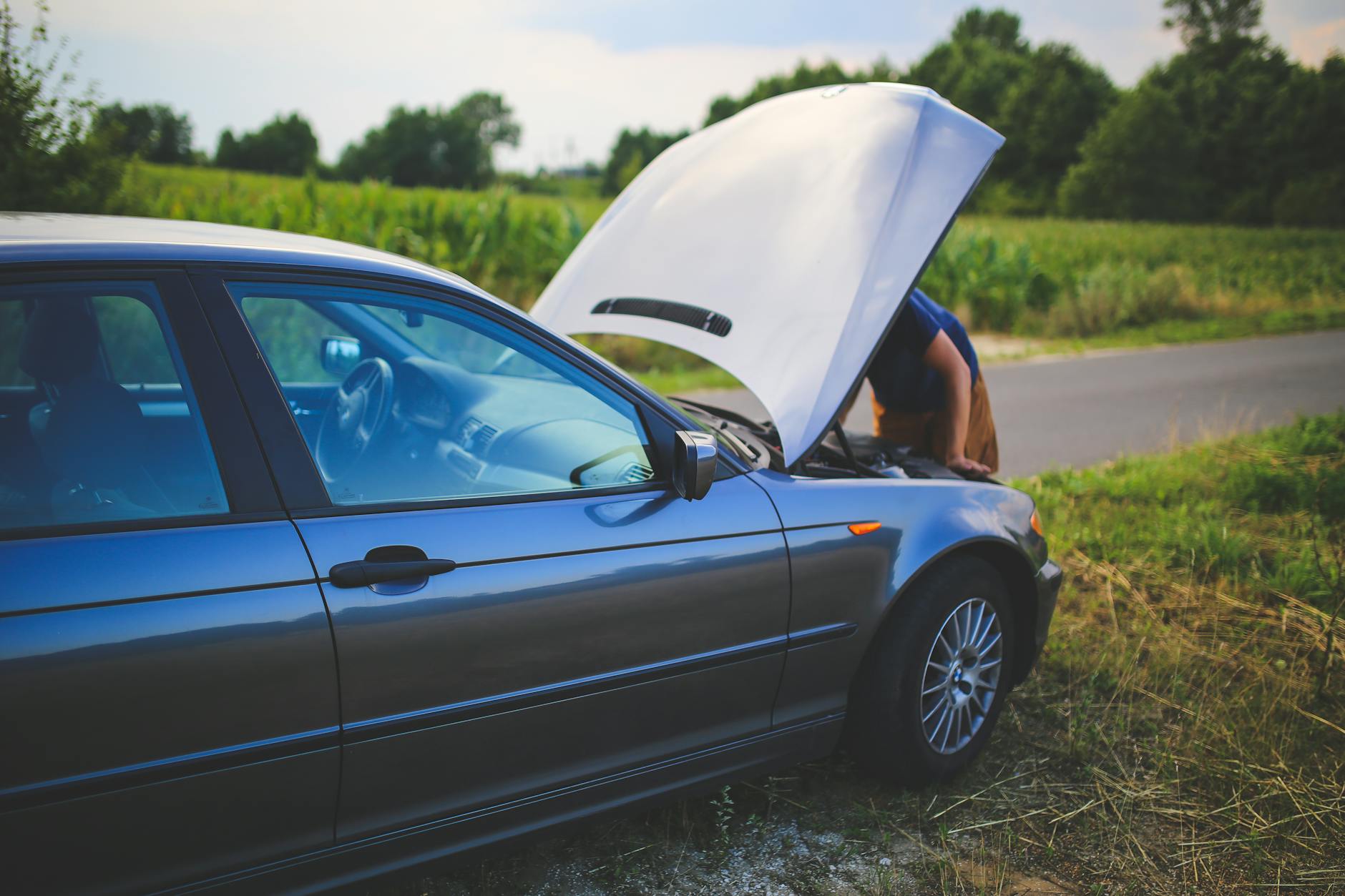
Mastering Car Rental Germany Breakdown Procedures
Car Rental Germany Breakdown Procedures

Mastering Car Rental Germany Breakdown Procedures

Equip yourself with the knowledge to handle any roadside emergency with your rental car in Germany, ensuring a smooth journey.

Prepare for Your Trip

Key Takeaways

  • ✓ Always carry your rental agreement and emergency contact numbers.
  • ✓ Utilize the rental company's specific roadside assistance before calling general services.
  • ✓ ADAC (German automobile club) is the primary independent breakdown service.
  • ✓ Ensure your travel insurance covers rental car breakdowns and repatriation.

How It Works

1
Secure Your Vehicle & Occupants

Upon a breakdown, prioritize safety. Move to the shoulder, engage hazard lights, and place a warning triangle. Ensure all passengers are safe, ideally behind a barrier.

2
Contact Your Rental Company

Refer to your rental agreement for the dedicated breakdown assistance number. They are your first point of contact and will guide you on the next steps, often dispatching their preferred service.

3
Document the Incident

Take photos of the vehicle's position, any damage, and the surrounding area. Note the time, location, and a brief description of the issue. This documentation is crucial for insurance and rental company records.

4
Follow Instructions & Arrange Next Steps

Adhere to the instructions from your rental company or roadside assistance. They will arrange for repairs, a replacement vehicle, or accommodation if necessary, keeping you informed throughout the process.

Understanding German Roadside Assistance and Emergency Protocols
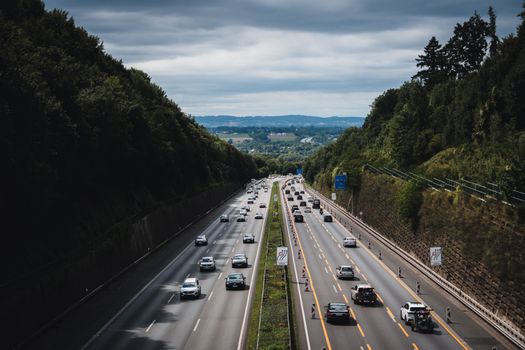
A bustling highway cuts through lush forests under a cloudy sky in Herford, Germany. Photo: Oliver Schröder / Pexels
Traveling through Germany by rental car offers unparalleled freedom, allowing you to explore picturesque villages, historic cities, and the scenic Autobahn at your own pace. However, even the most meticulously maintained vehicles can encounter unexpected issues. Understanding the specific protocols for Car Rental Germany Breakdown Procedures is not just recommended; it's essential for a stress-free and safe journey. Germany has a highly organized infrastructure, including an efficient system for roadside assistance, but navigating it as a foreign driver requires specific knowledge. Your first and most critical step upon experiencing a breakdown is to prioritize safety. Immediately activate your vehicle's hazard warning lights. If possible and safe to do so, steer the car to the hard shoulder or a designated emergency stopping bay. On the Autobahn, these are typically marked every few kilometers. Once the vehicle is safely positioned, all occupants should exit the car on the side away from traffic, if conditions permit, and move behind any protective barrier. This minimizes the risk of secondary accidents, which can be far more dangerous than the initial breakdown itself. Next, retrieve your warning triangle (Warndreieck) from the trunk. German law mandates carrying this and a high-visibility vest (Warnweste) in every vehicle. Place the warning triangle approximately 100 meters (about 330 feet) behind your vehicle on regular roads, and 200 meters (about 660 feet) on the Autobahn, to alert approaching traffic. Wear your high-visibility vest before exiting the vehicle to set up the triangle, especially in low light or poor weather conditions. These items are typically provided by your rental company and should be checked upon vehicle collection. Following these initial safety measures, your next point of contact should always be the rental car company. Their emergency contact number will be prominently displayed on your rental agreement, often on a sticker within the vehicle, or programmed into the car's infotainment system. It is vital to call them first, as they have specific procedures and partnerships with local breakdown services. Calling an independent service like ADAC (Allgemeiner Deutscher Automobil-Club) directly without consulting your rental company could lead to unexpected charges or complications with your rental agreement. The rental company will assess the situation and dispatch their preferred roadside assistance provider, which might be ADAC or another local service. They will also guide you on whether a repair is possible on-site, if the vehicle needs to be towed, or if a replacement vehicle will be provided. Always keep your rental agreement, driver's license, and passport readily accessible. These documents will be required by both the roadside assistance personnel and the rental company for verification. Understanding these initial steps is paramount to initiating the Car Rental Germany Breakdown Procedures effectively and safely. For more general information on traveling smart in Germany, consult our comprehensive guides.

Navigating Communication and Documentation During a Breakdown

A businessman reviews documents on a laptop while traveling in the backseat of a car. Photo: RDNE Stock project / Pexels
Effective communication and meticulous documentation are critical components of handling Car Rental Germany Breakdown Procedures. Once safety measures are in place and you've contacted your rental company, the next phase involves clear communication with all parties and thorough record-keeping. When speaking with the rental company's emergency line, be prepared to provide precise details. This includes your exact location (Autobahn number, nearest exit, kilometer marker, or street address), a description of the vehicle's issue (e.g., flat tire, engine warning light, non-starting engine), your rental agreement number, and your contact information. If you're unsure of your exact location, many smartphones have GPS capabilities that can provide coordinates. Explain the situation calmly and clearly, and listen carefully to their instructions. They may ask you to wait by the vehicle or to move to a safer location nearby. Language can sometimes be a barrier, but most major rental companies offer English-speaking assistance. If you're struggling, try to use simple phrases or a translation app. When the roadside assistance arrives, they will likely be German-speaking. Be prepared to show them your rental agreement and driver's license. They will assess the vehicle and determine the best course of action. It's helpful to have a basic understanding of common German phrases for emergencies, or to have a translation app ready. Documentation is equally important. Before any towing or repair work begins, take clear photographs or videos of the vehicle. This includes the car's overall condition, the specific area of the breakdown or damage, and the surrounding environment. Note the time and date of the breakdown, the name of the roadside assistance provider, and the identification number of the person assisting you. If there are any witnesses, politely ask for their contact details, although this is less common for simple mechanical breakdowns. Keep a detailed log of all communication: who you spoke to at the rental company, the time of the call, what was discussed, and any reference numbers provided. If a tow truck is involved, ensure you receive a copy of the towing receipt or report. Should a replacement vehicle be necessary, confirm the terms and conditions with the rental company, including any potential costs or changes to your original agreement. Always retain all receipts for any out-of-pocket expenses incurred due to the breakdown, such as taxi fares, accommodation, or food, as these may be reimbursable depending on your rental agreement and insurance coverage. This comprehensive documentation will be invaluable if there are any disputes or claims with the rental company or your insurance provider later on. Proper communication and diligent record-keeping streamline the Car Rental Germany Breakdown Procedures and help protect you from unforeseen financial burdens.

See also: Rental Car Germany.

Insurance, Costs, and Preventing Future Breakdowns

A businessman reviews documents on a laptop while traveling in the backseat of a car. Photo: RDNE Stock project / Pexels
A crucial aspect of Car Rental Germany Breakdown Procedures involves understanding your insurance coverage and potential costs. Before you even pick up your rental car, it's paramount to review your rental agreement's terms and conditions regarding breakdowns, roadside assistance, and accident coverage. Many rental companies offer various levels of protection, some of which include comprehensive roadside assistance as part of a premium package. This might cover everything from flat tires and running out of fuel to mechanical failures, often without an additional call-out fee. Standard agreements, however, might only cover towing to the nearest service center, leaving you responsible for repair costs if the fault is deemed to be yours, or if you didn't purchase specific breakdown coverage. Check if your personal car insurance policy or credit card benefits provide any coverage for rental cars abroad. Some credit cards offer secondary coverage that kicks in after your primary insurance, while others might offer primary coverage. However, these often have limitations and might not cover specific scenarios like lost keys or running out of fuel, which are typically addressed by dedicated roadside assistance packages. Travel insurance is another layer of protection to consider. A good travel insurance policy can cover trip interruption, medical emergencies, and sometimes even rental car excess waivers or repatriation costs if you're unable to continue your journey. Ensure your policy explicitly states coverage for rental car incidents in Germany. Understanding what your various insurance policies cover will prevent unexpected financial shocks during a breakdown. For situations where your rental company's assistance isn't sufficient or you've opted for basic coverage, Germany's ADAC (Allgemeiner Deutscher Automobil-Club) is the largest automobile club and offers excellent roadside assistance. Non-members can still utilize ADAC's services for a fee, which can be paid on the spot. Their service is reliable, efficient, and widely available across Germany. However, remember to contact your rental company first, as they might have a contract with ADAC already, potentially covering your costs. Prevention is always better than cure. While some breakdowns are unavoidable, you can significantly reduce the risk by taking a few proactive steps. Before driving off the rental lot, conduct a thorough visual inspection of the vehicle. Check the tires for adequate tread and pressure, ensure all lights are working, and familiarize yourself with the car's controls, including the location of the hazard lights, warning triangle, and high-visibility vests. If you notice any existing damage, no matter how minor, ensure it's documented on your rental agreement before leaving. Drive responsibly and adhere to German traffic laws. Avoid aggressive driving, which can put undue stress on the vehicle. Pay attention to dashboard warning lights; if one illuminates, pull over safely and consult your rental agreement or the car's manual. Don't ignore persistent unusual noises or smells. Keeping your fuel tank adequately filled is also crucial, especially on long stretches of Autobahn where service stations can be spaced out. By being prepared, informed, and proactive, you can significantly mitigate the impact of Car Rental Germany Breakdown Procedures and ensure a smoother journey. For more insights on essential travel tech for Europe, explore our related articles.

Common Breakdown Scenarios and Smart Solutions

Even with meticulous planning, certain breakdown scenarios are more common than others when dealing with Car Rental Germany Breakdown Procedures. Knowing how to react to these specific situations can save you time, stress, and money. Here are some frequent issues and smart solutions: * **Flat Tire:** This is perhaps the most common breakdown. Many modern rental cars come equipped with a tire repair kit (sealant and compressor) instead of a spare tire. Familiarize yourself with its location and how to use it upon picking up the car. If the damage is too severe for a repair kit, or if you're uncomfortable changing a tire, contact your rental company's roadside assistance. Do not attempt to drive on a completely flat tire, as this can cause irreversible damage to the wheel and vehicle. * **Running Out of Fuel:** While seemingly avoidable, it happens, especially when navigating unfamiliar routes or misjudging distances between Autobahn service stations. Most rental agreements will charge a significant fee for this service, as it's typically considered driver error. Always keep an eye on your fuel gauge and refuel well before it drops below a quarter tank. If you do run out, safely pull over, activate hazard lights, and call your rental company. They will arrange for fuel delivery, but be prepared for the associated costs. * **Battery Failure:** Cold weather, leaving lights on, or an older battery can lead to a dead battery. If your car won't start, first check if any lights were left on. If it's a battery issue, your rental company's roadside assistance can provide a jump start. Avoid attempting to jump-start the car yourself with a stranger's vehicle, as incorrect procedures can damage the car's electronics, for which you could be liable. * **Lost Keys/Locked Out:** Losing your rental car keys or locking them inside the vehicle is incredibly frustrating. This is almost always considered driver fault and is not covered by standard breakdown assistance. Your rental company will charge a substantial fee for a replacement key and/or to send a technician to unlock the vehicle. Keep your keys secure and consider keeping a spare key (if provided) in a separate, safe location, not inside the car. * **Engine Warning Lights:** Modern cars have a range of warning lights. If an engine light (e.g., 'Check Engine', oil pressure, or temperature) illuminates, pull over safely as soon as possible. Consult the car's manual (often in the glove compartment or digital) to understand the light's meaning. Do not continue driving if a critical warning light, such as oil pressure or engine temperature, is illuminated, as this can lead to severe engine damage. Contact your rental company immediately for guidance. By understanding these scenarios and knowing the correct steps for Car Rental Germany Breakdown Procedures, you can minimize disruption and ensure a safer, more enjoyable journey through Germany.

Comparison

FeatureRental Co. AssistanceADAC (Independent)Travel Insurance
Coverage ScopeSpecific to rental agreementComprehensive roadside for members/feeVaries, often secondary
CostIncluded in premium packages/extra feeMembership fee / pay-per-usePolicy premium/deductible
Response TimeDependent on provider networkGenerally fast and efficientReimbursement, not direct assistance
Language SupportOften multi-lingualPrimarily German, some EnglishVaries by provider
Replacement Vehicle✓ (often included)✗ (not direct service)✗ (reimbursement only)

What Readers Say

"My rental car in Germany had a flat tire near Munich. I followed the Car Rental Germany Breakdown Procedures exactly, called my rental company, and they had ADAC out to me within an hour. It was seamless and much less stressful than I anticipated."

Sarah J. · Boston, MA

"We had an engine warning light come on during our drive through the Black Forest. The rental company's emergency line was incredibly helpful, guiding us to the nearest service station and arranging a swift repair. Knowing the Car Rental Germany Breakdown Procedures made a huge difference."

Michael D. · Seattle, WA

"I was initially worried about breaking down in a foreign country, but this guide on Car Rental Germany Breakdown Procedures was invaluable. When I accidentally locked my keys in the car, I knew exactly who to call and what to expect, minimizing the delay and cost."

Emily R. · Austin, TX

"The process for Car Rental Germany Breakdown Procedures was generally straightforward. My only minor issue was a slight language barrier with the tow truck driver, but the rental company's phone support helped bridge the gap effectively."

David L. · Chicago, IL

"After a minor fender-bender with my rental, the breakdown procedures were clear. Documentation was key, and having all my papers ready, as suggested, made dealing with the rental company and local police much smoother. Highly recommend being prepared!"

Jessica M. · Denver, CO

Frequently Asked Questions

What is the very first thing I should do if my rental car breaks down in Germany?

The immediate priority is safety. Turn on your hazard lights, move the vehicle to the safest possible location (hard shoulder or emergency bay), and then ensure all occupants are safely out of the car and behind a protective barrier. Place your warning triangle 100-200 meters behind the vehicle and wear your high-visibility vest.

Should I call my rental car company or ADAC directly?

Always call your rental car company first. They have specific procedures, preferred service providers (which might include ADAC), and your rental agreement dictates your coverage. Calling an independent service first could lead to unexpected charges not covered by your rental contract.

What documents do I need to have on hand during a breakdown?

You should always have your rental agreement, your driver's license, and your passport readily accessible. These documents will be required by the rental company, roadside assistance personnel, and potentially the police if an accident is involved.

Will my travel insurance cover rental car breakdown costs?

It depends on your specific travel insurance policy. Some comprehensive policies offer coverage for trip interruption, rental car excess waivers, or even repatriation. It's crucial to review your policy details before your trip to understand what is covered and what isn't.

How do Car Rental Germany Breakdown Procedures compare to other European countries?

While the general safety steps (hazard lights, warning triangle) are similar across most European countries, the specific roadside assistance providers and legal requirements (like carrying high-visibility vests) can vary. Germany's system is highly organized, often involving ADAC, which is comparable to AAA in the US but with a more integrated role in national roadside assistance.

Who should use this guide on Car Rental Germany Breakdown Procedures?

Anyone planning to rent a car and drive in Germany, especially first-time visitors or those unfamiliar with European driving regulations and emergency protocols, will find this guide extremely valuable. It's essential for peace of mind and preparedness.

Is it safe to wait by my broken-down car on the German Autobahn?

It is generally safer to exit the vehicle and wait behind the guardrail or barrier, well away from the flow of traffic, especially on the Autobahn. Only re-enter the vehicle when instructed by roadside assistance personnel or if it's absolutely necessary for safety reasons.

What are future trends in rental car breakdown assistance technology?

Future trends include more advanced telematics systems in rental cars that can automatically detect issues and alert the rental company, predictive maintenance based on vehicle diagnostics, and enhanced in-car communication systems for direct assistance. AI-powered chatbots for initial fault diagnosis are also emerging.

Don't let the unexpected derail your German adventure. By familiarizing yourself with these comprehensive Car Rental Germany Breakdown Procedures, you're equipping yourself with the knowledge and confidence to handle any roadside situation. Drive prepared, drive safe, and enjoy the open roads of Germany worry-free.

Topics: Car Rental Germany Breakdown ProceduresGerman roadside assistancerental car emergency Germanytravel insurance GermanyADAC breakdown service
Leo List
Brampton weed
Adultwork