The Best Smart Home Devices for Beginners: Your Ultimate Guide

A top view of beginner workspace items including gadgets and letter dice on a wooden desk.Photo: Ling App / Pexels

The Best Smart Home Devices for Beginners: Your Ultimate Guide

Simplify your life and elevate your living space with approachable smart home technology designed for easy integration.

Start Your Smart Home

Key Takeaways

  • ✓ Smart lighting, smart plugs, and smart speakers are ideal starting points for beginners.
  • ✓ Compatibility (e.g., Google Assistant, Alexa, Apple HomeKit) is crucial for seamless integration.
  • ✓ Focus on solving specific problems or enhancing daily routines first.
  • ✓ Privacy and security are important considerations when choosing smart home devices.

How It Works

1
Identify Your Needs

Consider what aspects of your home life you want to automate or improve. This could be lighting, security, or entertainment.

2
Choose Your Ecosystem

Decide between major platforms like Amazon Alexa, Google Assistant, or Apple HomeKit. This will influence device compatibility.

3
Start Small & Expand

Begin with one or two simple, impactful devices like a smart speaker or smart light bulbs. Gradually add more as you get comfortable.

4
Set Up & Automate

Follow the device's app instructions for setup. Explore routines and automations to make your smart home work for you, effortlessly.

Why Smart Home Technology is Perfect for Newbies
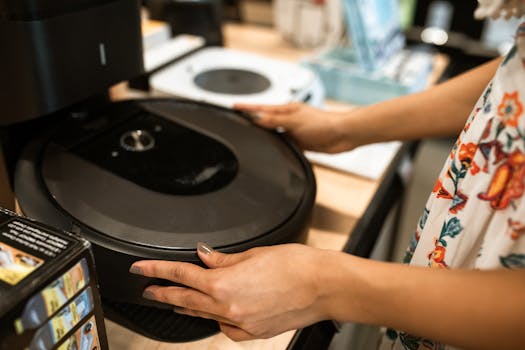
A customer examines a sleek robotic vacuum cleaner in a modern store.Photo: RDNE Stock project / Pexels
Embarking on the smart home journey can seem daunting, with a myriad of devices, protocols, and platforms to navigate. However, for beginners, the landscape has never been more welcoming. Modern smart home technology is designed with user-friendliness at its core, offering intuitive setup processes, seamless app control, and the ability to expand your system at your own pace. The initial appeal for many newcomers lies in the promise of convenience and efficiency. Imagine walking into a well-lit home after dark without fumbling for switches, or having your coffee machine start brewing as your alarm goes off. These are not futuristic fantasies but everyday realities made possible by accessible smart devices. Beyond convenience, smart homes offer enhanced security, energy savings, and even entertainment benefits. For instance, smart thermostats can learn your habits and optimize heating and cooling, leading to lower utility bills. Smart doorbells provide peace of mind by allowing you to see and speak to visitors from anywhere. And smart speakers, often the gateway device for many, serve as central hubs for controlling other devices, playing music, and getting information, all with simple voice commands. The beauty of starting small is that you don't need to overhaul your entire home at once. You can pick one or two devices that address a specific need or desire, get comfortable with them, and then gradually add more as you see fit. This modular approach allows you to build a smart home that truly reflects your lifestyle and budget, without feeling overwhelmed. Furthermore, the market for beginner-friendly smart home devices has exploded, meaning there's a wider range of affordable and easy-to-install options than ever before. Many devices now come with step-by-step guides, in-app tutorials, and robust customer support, making the learning curve incredibly gentle. Whether you're looking to simplify your morning routine, boost your home security, or just dip your toes into the world of automation, there's a perfect starting point waiting for you. The key is to focus on devices that offer immediate, tangible benefits and integrate smoothly into your existing lifestyle without requiring extensive technical knowledge. This guide will help you navigate those initial choices, ensuring your first foray into smart home technology is both rewarding and hassle-free. The convenience and peace of mind that smart devices offer are truly transformative, making them an excellent investment for any modern home. Exploring smart home ecosystems is a great next step.

Essential Smart Home Devices for a Smooth Start
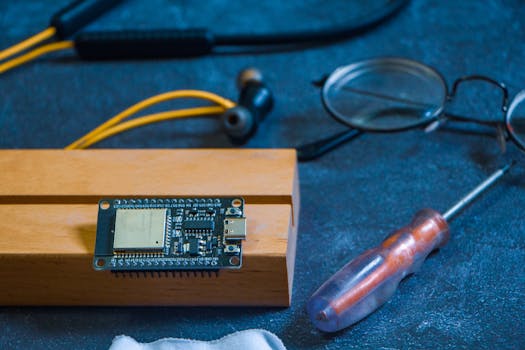
Close-up of an Arduino circuit board on a workshop table with tools and gadgets, showcasing DIY electronics.Photo: Tanha Tamanna Syed / Pexels
When it comes to selecting the best smart home devices for beginners, simplicity, impact, and ease of integration are paramount. You want devices that offer immediate benefits without complex installations or configurations. Here are some top recommendations that serve as excellent entry points into the smart home world: **1. Smart Speakers (Amazon Echo Dot, Google Nest Mini):** Often considered the central nervous system of a smart home, smart speakers are arguably the best starting point. Devices like the Amazon Echo Dot or Google Nest Mini are affordable, incredibly versatile, and provide a voice-controlled interface for your entire smart home ecosystem. They can play music, answer questions, set alarms, and, most importantly, control other smart devices with simple voice commands. Their setup is usually just plugging them in and connecting to Wi-Fi via an app. They act as a hub for many other devices, making future additions seamless. **2. Smart Plugs (TP-Link Kasa Smart Plug, Wemo Mini Smart Plug):** These unassuming devices are incredibly powerful for beginners. A smart plug turns any ordinary appliance into a smart one. Plug in a lamp, a coffee maker, or a fan, and you can then control it remotely via an app or voice command. This means you can schedule your coffee to brew before you wake up, turn off a forgotten curling iron from work, or switch on a lamp to make it look like someone’s home. They are inexpensive, require no wiring, and offer immediate gratification by automating existing devices. **3. Smart Light Bulbs (Philips Hue White, Sengled Smart LED):** Upgrading your lighting is another highly impactful and easy smart home starter. Smart light bulbs can be controlled from your phone or by voice, allowing you to dim lights, change colors (with RGB bulbs), and set schedules. This can save energy, enhance ambiance, and even improve security by making it appear as if someone is home. Brands like Philips Hue (though slightly pricier, offer excellent features) and more affordable options like Sengled or Wyze provide straightforward installation – just screw them in like regular bulbs and connect via an app. **4. Smart Thermostats (Google Nest Thermostat, ecobee3 lite):** While a slightly larger investment, a smart thermostat can offer significant energy savings and convenience. These devices learn your preferences, can be controlled remotely, and often integrate with local weather to optimize heating and cooling. For beginners, models like the Google Nest Thermostat are known for their intuitive interface and easy installation process, often guided step-by-step through an app. The long-term savings often justify the initial cost, making it a smart choice for both comfort and your wallet. **5. Smart Doorbells (Ring Video Doorbell, Google Nest Doorbell):** For those prioritizing security and convenience, a smart doorbell is an excellent addition. It allows you to see, hear, and speak to visitors from your smartphone, even when you're not home. Most models offer motion detection alerts and can record video footage. Installation typically involves replacing your existing doorbell, and many models offer battery-powered options for even simpler setup. This provides immediate peace of mind and an extra layer of security that's easy to manage from an app.

See also: Choose sex toy by intensity.

Building Your Smart Home Ecosystem: Compatibility and Expansion
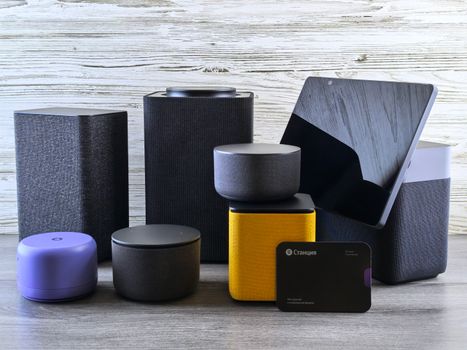
A collection of various smart home speakers and tablet displayed on a wooden surface.Photo: Andrey Matveev / Pexels
One of the most crucial considerations when choosing the best smart home devices for beginners is compatibility. Starting with devices that work well together, or that are part of the same ecosystem, will save you a lot of headaches down the line. The three major smart home ecosystems are Amazon Alexa, Google Assistant, and Apple HomeKit. Each has its strengths and weaknesses, and your choice will largely depend on your existing tech preferences and desired level of integration. **Amazon Alexa** is powered by Amazon Echo devices and is known for its vast device compatibility, making it a popular choice for many. Alexa can control a huge array of smart lights, plugs, thermostats, and security devices from various manufacturers. Its voice commands are generally robust, and the Alexa app provides a centralized control hub. If you already have Amazon devices or prefer a wide selection of compatible gadgets, Alexa is an excellent ecosystem to build upon. **Google Assistant**, driven by Google Nest devices, offers deep integration with Google's services, such as calendars, search, and YouTube. It's often praised for its natural language processing and ability to understand complex commands. If you're an Android user or heavily invested in Google's ecosystem, Google Assistant will feel very familiar and integrate seamlessly with your existing digital life. Like Alexa, it supports a broad range of third-party devices. **Apple HomeKit** is Apple's smart home platform, primarily controlled through Siri and the Home app on iOS devices. HomeKit is often lauded for its strong emphasis on privacy and security, as well as its intuitive user interface. While its device compatibility might be slightly narrower than Alexa or Google Assistant, the devices that are HomeKit-compatible tend to offer a very polished and reliable experience. If you're an iPhone user and value privacy and simplicity, HomeKit is a strong contender. Beyond these major ecosystems, there are also cross-platform standards like **Matter** and **Thread** emerging. Matter is a new, unified smart home standard designed to make devices from different brands and ecosystems work together seamlessly. This means that a Matter-certified device should work with Alexa, Google Home, Apple HomeKit, and other platforms without needing separate bridges or complicated setups. Thread is a low-power wireless mesh networking protocol that enhances reliability and responsiveness for smart devices, often working in conjunction with Matter. As a beginner, looking for devices that support Matter and Thread is a smart move for future-proofing your smart home and ensuring maximum compatibility as you expand. Many newer devices are beginning to adopt these standards, simplifying the integration process significantly. Understanding smart home protocols is key to future-proofing your setup. When you start with one or two devices, ensure they are compatible with your chosen ecosystem, and then selectively add more devices that also support that same ecosystem or are Matter-certified. This strategic approach prevents siloed devices and ensures a cohesive, easily manageable smart home experience.

Tips for a Successful Beginner Smart Home Setup and Common Mistakes to Avoid
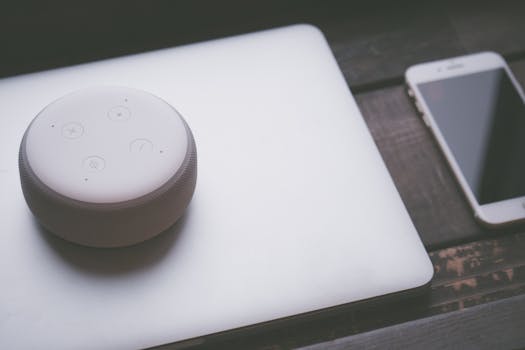
A smart speaker, laptop, and smartphone array representing modern technology lifestyle on a wooden surface.Photo: Jessica Lewis 🦋 thepaintedsquare / Pexels
Starting your smart home journey can be incredibly rewarding, but a few strategic tips can make the process even smoother, and knowing common pitfalls can help you avoid frustration. Here’s how to set yourself up for success: **Tips for Success:** * **Start with a Strong Wi-Fi Network:** Your smart home devices rely heavily on a stable and robust Wi-Fi connection. Ensure your router is up to date and provides good coverage throughout your home, especially where you plan to place devices. Consider a mesh Wi-Fi system if you have a large home or dead zones. * **Read Reviews and Do Your Research:** Before purchasing, take time to read product reviews, especially from other beginners. Look for devices praised for their easy setup, reliable performance, and good app interface. YouTube tutorials can also be very helpful. * **Plan Your Layout (Even Loosely):** Think about where you want to place your devices. For example, a smart plug controlling a living room lamp should ideally be in the living room. Knowing your desired placement can help you check for Wi-Fi signal strength and power outlet availability. * **Leverage Automations and Routines:** The true magic of a smart home lies in its ability to automate tasks. Once your devices are set up, explore the automation features in your smart home app (e.g., Alexa Routines, Google Home Routines, Apple Home scenes). Start simple: 'Turn on living room lights at sunset' or 'Turn off all lights when I leave.' These save time and energy. * **Prioritize Privacy and Security Settings:** Smart devices connect to the internet, so it's vital to protect your network. Use strong, unique passwords for your Wi-Fi and all smart home accounts. Enable two-factor authentication (2FA) whenever possible. Regularly check for firmware updates for your devices, as these often include security patches. * **Be Patient and Experiment:** There might be a learning curve, and not every device will work perfectly out of the box. Be patient, consult user manuals, and don't be afraid to experiment with different settings and routines to find what works best for you. **Common Mistakes to Avoid:** * **Buying Incompatible Devices:** This is perhaps the biggest pitfall. Ensure any new device you buy is compatible with your chosen smart home ecosystem (Alexa, Google Home, HomeKit) or supports open standards like Matter. A mix-and-match approach without checking compatibility leads to devices that don't communicate with each other. * **Overbuying Too Soon:** Resist the urge to buy every cool gadget you see. Start with a few core devices that address a specific need, master them, and then gradually expand. An overloaded smart home with too many unfamiliar devices can quickly become overwhelming. * **Neglecting Network Security:** Using default passwords or weak Wi-Fi security makes your smart home vulnerable. Always change default passwords and use WPA2 or WPA3 encryption for your Wi-Fi. * **Ignoring Firmware Updates:** Manufacturers frequently release firmware updates to improve performance, add features, and patch security vulnerabilities. Neglecting these updates can lead to poor performance or security risks. * **Not Setting Up Routines:** Simply having smart devices is only half the battle. Not setting up automations and routines means you're missing out on the core benefit of a smart home: hands-free convenience and proactive functionality. Make time to explore these features. * **Choosing Cheap Over Reliable:** While budget-friendly options exist, sometimes extremely cheap devices can lead to poor performance, unreliable connections, and a frustrating user experience. It's often worth investing a little more for reputable brands known for their reliability and support. By following these tips and avoiding common mistakes, your journey into smart home technology will be smooth, enjoyable, and ultimately, transformational for your daily life.

Comparison

FeatureBest OptionAlternative 1Alternative 2
Ease of SetupSmart PlugSmart Light BulbSmart Speaker
Cost (Entry Level)$$$$$
Voice Control
Remote Control via App
Requires Hub?✗ (often)✗ (often)
Energy Saving PotentialMediumHighLow
Security EnhancementLowLowMedium (with video doorbell integration)

What Our Readers Say

5 ★★★★★

"I was so intimidated by smart home tech, but this guide helped me pick out the best smart home devices for beginners. My smart plugs and lights were a breeze to set up, and now my home feels so much more modern and convenient!"

5 ★★★★★

"As a total novice, I appreciated the focus on easy-to-use products. My Google Nest Mini and smart thermostat have made a huge difference in managing my home's climate and music. Highly recommend starting here!"

5 ★★★★★

"I followed the advice to start with smart lights and plugs, and within an hour, I had several devices automated. It truly simplified my morning routine and saved me from leaving lights on all day. Fantastic advice for beginners!"

4 ★★★★☆

"The guide was very comprehensive. While some devices still required a bit of troubleshooting for my specific setup, the recommendations for the best smart home devices for beginners were spot on in terms of ease of use and impact."

5 ★★★★★

"I used to think smart homes were only for tech experts. This article broke it down perfectly. I started with a smart doorbell for security and it's given me so much peace of mind, especially when I'm away from home."

Frequently Asked Questions

What are the absolute best smart home devices for beginners to start with?
For absolute beginners, smart plugs and smart light bulbs are highly recommended. They are inexpensive, easy to install (just plug them in or screw them in), and offer immediate, tangible benefits by allowing you to control existing appliances and lights remotely or via voice. A smart speaker (like an Echo Dot or Nest Mini) is also an excellent starting point as it acts as a central control hub.
Is smart home technology difficult to set up for someone who isn't tech-savvy?
No, modern smart home technology is designed with user-friendliness in mind. Many devices offer guided setup processes through intuitive smartphone apps. As long as you have a stable Wi-Fi connection, most beginner-friendly devices can be installed and configured in minutes, often without any special tools or wiring knowledge.
How do I choose between Amazon Alexa, Google Assistant, and Apple HomeKit?
Your choice of ecosystem often depends on your existing technology. If you use Android phones or Google services extensively, Google Assistant might feel more natural. If you have an iPhone and value privacy, Apple HomeKit is a strong contender. Amazon Alexa offers the broadest device compatibility. It's best to pick one and stick with it initially to ensure seamless integration between your devices.
What is the typical cost to start a smart home for a beginner?
You can start your smart home journey for as little as $25-$50 for a single smart plug or light bulb. A smart speaker typically costs around $30-$50. For a basic setup with a smart speaker, a few smart plugs, and a couple of smart bulbs, you could expect to spend between $100 and $200, making it a very accessible entry point into home automation.
Can I mix and match different brands of smart home devices?
Yes, you can mix and match brands, but it's crucial to ensure they are compatible with your chosen smart home ecosystem (e.g., all work with Alexa or Google Assistant). Newer standards like Matter are also making cross-brand compatibility much easier. Avoid buying devices that only work with their own proprietary app and don't integrate with a central hub, as this can lead to a fragmented and frustrating experience.
Who should consider investing in the best smart home devices for beginners?
Anyone looking to simplify daily routines, enhance home security, save energy, or simply add a touch of modern convenience to their living space should consider smart home devices. They are particularly beneficial for busy individuals, those looking for accessibility solutions, or anyone curious about technology but intimidated by complex setups.
Are smart home devices secure, and what about my privacy?
Security and privacy are valid concerns. Reputable brands prioritize these aspects with encryption, regular firmware updates, and privacy settings. To maximize security, use strong, unique passwords, enable two-factor authentication, keep device firmware updated, and be mindful of the data you share. Choose brands known for their commitment to user privacy.
What's the next big thing in smart home technology that beginners should be aware of?
The most significant upcoming trend for beginners is the widespread adoption of the Matter standard. Matter-certified devices promise universal compatibility across different smart home ecosystems, simplifying device selection and integration significantly. This means less worry about which device works with which hub, making future expansion much more straightforward and user-friendly.

Ready to transform your living space into a smarter, more efficient, and convenient home? Start your journey today by exploring the best smart home devices for beginners discussed in this guide. Take the first step towards a future where your home works for you, effortlessly.

Topics: best smart home devices for beginnerseasy smart home setupsmart home starter kitbeginner smart home techsimple home automation
Leo List