The Best Smart Home Devices for Beginners: Your Easy Start
August 21, 2026 14 min read 2,754 words
Simplify your life with smart home tech designed for effortless setup and immediate benefits.
Start Your Smart Home Journey
Why Smart Home Technology is Perfect for Newcomers
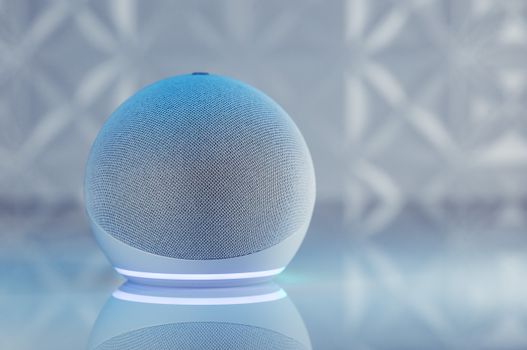 Photo: Jonathan Borba / Pexels
The world of smart home technology might seem daunting at first glance, with its myriad of devices, protocols, and platforms. However, for newcomers, it's never been a better time to dive in. Manufacturers have made significant strides in user-friendliness, designing products with intuitive setup processes and seamless integration. Gone are the days of complex wiring diagrams and obscure programming languages; today's best smart home devices for beginners are often plug-and-play, controlled by user-friendly apps or simple voice commands. This accessibility means that you don't need to be a tech wizard to enjoy the benefits of a connected home. Imagine walking into a perfectly lit room, having your coffee machine start brewing as your alarm goes off, or simply being able to turn off all the lights with a single voice command as you head to bed. These aren't futuristic fantasies; they are everyday realities made possible by accessible smart home tech.
One of the primary appeals for beginners is the immediate gratification and tangible benefits these devices offer. Smart lighting, for instance, not only allows for remote control and scheduling but can also save energy by dimming automatically or turning off when no one is around. Smart plugs transform ordinary appliances into smart ones, giving you control over fans, lamps, or even holiday decorations from your smartphone. This instant impact helps demystify the technology and builds confidence for further exploration. Moreover, the modular nature of smart home systems means you can start small and expand at your own pace. There's no need to overhaul your entire home at once. You can begin with a single smart bulb in your living room, experience the convenience, and then gradually add more devices as your comfort level and needs evolve. This gradual approach prevents overwhelm and allows you to tailor your smart home to your specific lifestyle and budget. Understanding the
basics of smart home ecosystems is crucial here, as it ensures that new devices will work harmoniously with your existing setup. The focus for beginners should always be on simplicity, reliability, and devices that offer clear, immediate value without requiring extensive technical knowledge.
Essential Smart Home Devices for a Gentle Start
 Photo: Anete Lusina / Pexels
When embarking on your smart home journey, choosing the right foundational devices is paramount. For beginners, the focus should be on simplicity, ease of installation, and immediate utility. The following categories represent the absolute best smart home devices for beginners, offering a low barrier to entry and high impact on daily life.
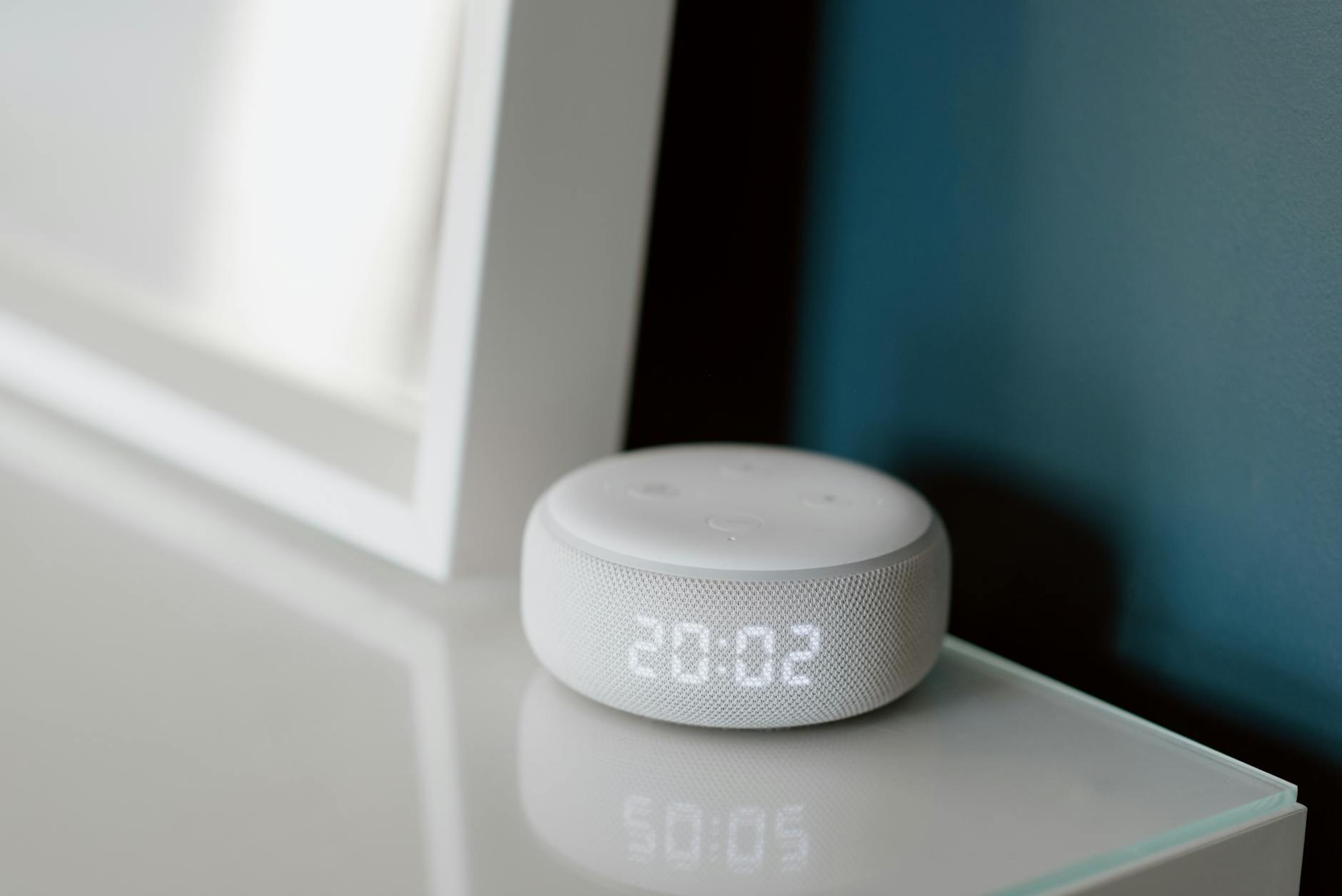
**Smart Speakers/Displays:** These are often the central command centers of a smart home, even if you don't realize it. Devices like the Amazon Echo Dot or Google Nest Mini are affordable, easy to set up, and provide voice control for a growing number of compatible devices. They answer questions, play music, set timers, and, most importantly, act as the voice interface for your smart lights, thermostats, and more. A smart display, such as the Google Nest Hub or Amazon Echo Show, adds a visual component, allowing you to see your calendar, watch videos, or view security camera feeds.
**Smart Plugs:** Arguably the easiest smart home device to introduce into any home, smart plugs are game-changers. You simply plug them into an existing outlet, and then plug any 'dumb' appliance into the smart plug. Instantly, that appliance (a lamp, fan, coffee maker) becomes controllable via your smartphone app or voice assistant. They're inexpensive, require no complex wiring, and offer immediate benefits like scheduling lights to turn on/off, remotely controlling appliances, or cutting power to energy vampires. This simplicity makes them an ideal first purchase.
**Smart Lighting:** Replacing traditional light bulbs with smart bulbs (like Philips Hue or Sengled) is another fantastic entry point. These bulbs screw into existing fixtures and connect to your home Wi-Fi or a small hub. They offer remote control, dimming capabilities, color-changing options, and scheduling. Imagine never having to get out of bed to turn off a forgotten light or having your lights gently wake you up in the morning. They add ambiance, convenience, and can even contribute to energy savings by allowing precise control over lighting usage. Their visual and immediate impact makes them incredibly satisfying for new users.
**Smart Thermostats:** While slightly more involved than plugs or bulbs, smart thermostats like the Google Nest Thermostat or Ecobee Lite offer significant long-term benefits, primarily energy savings and enhanced comfort. These devices learn your preferences and schedule, optimizing your home's heating and cooling. Many can be controlled remotely via an app, allowing you to adjust the temperature before you arrive home or save energy while you're away. They typically require a bit more installation (often replacing an existing thermostat), but the step-by-step app guides make it manageable for most beginners, and the energy savings often justify the initial effort and cost. These core devices provide a solid foundation for any smart home, allowing beginners to experience the convenience and control without feeling overwhelmed by overly complex systems or expensive commitments.
Expanding Your Smart Home: Next Steps and Integration Tips
Photo: Anete Lusina / Pexels
Once you've dipped your toes into the smart home world with basic devices like smart plugs and lighting, you're ready to explore how to expand your system intelligently and efficiently. The key to a successful smart home expansion for beginners is thoughtful integration and ensuring compatibility. Don't just buy devices randomly; consider how each new gadget will interact with what you already have and what problems it solves. This strategic approach prevents a collection of disparate devices and instead builds a cohesive, functional smart ecosystem.
**Smart Security Devices:** For many, the next logical step involves enhancing home security. Smart doorbells (like Ring or Arlo) allow you to see and speak to visitors from anywhere, even when you're not home. They're relatively easy to install, often replacing your existing doorbell. Smart security cameras (indoor or outdoor) provide peace of mind by allowing you to monitor your property remotely. Look for models that integrate with your chosen smart assistant for easy viewing on a smart display. Smart locks, while a bit more complex to install, offer keyless entry, remote access control, and the ability to check if your doors are locked from your phone. These devices not only add security but also offer immense convenience, making them excellent additions for beginners looking to enhance their home's safety features.
**Home Entertainment Integration:** Your smart home can also revolutionize your entertainment experience. Smart TVs (or smart streaming devices like Roku or Apple TV) can be integrated with your voice assistant, allowing you to control playback, switch inputs, or even search for content with simple voice commands. Pairing these with smart lighting can create immersive experiences, where your lights dim automatically when a movie starts or change colors to match the on-screen action. This integration elevates passive entertainment into an interactive, smart experience.
**Choosing Your Ecosystem:** As you expand, the importance of your chosen smart home ecosystem (Amazon Alexa, Google Home, Apple HomeKit) becomes even more critical. Sticking primarily to devices compatible with your preferred ecosystem simplifies setup, ensures seamless communication between devices, and streamlines control through a single app or voice assistant. While some devices are cross-compatible, prioritizing native integration will save you headaches in the long run. Always check for the 'Works with Alexa,' 'Works with Google Assistant,' or 'HomeKit Compatible' labels before purchasing new devices. This foresight ensures that your growing collection of smart gadgets functions as a unified whole, rather than a collection of independent islands. For more on this, consider exploring
how smart home hubs connect everything.
**Automation and Routines:** The true magic of a smart home lies in its ability to automate. Once you have a few devices, explore setting up routines or automations. These are simple sequences of actions triggered by a specific event or time. For example, a 'Good Morning' routine could turn on your lights, start your coffee maker (via a smart plug), and play your favorite news podcast from your smart speaker. A 'Leaving Home' routine could lock your doors, turn off all lights, and adjust your thermostat. Most smart home apps make creating these routines straightforward, allowing beginners to experience the full power of automation without complex programming. This step truly transforms individual smart devices into a smart *home*.
Common Mistakes and Smart Tips for First-Time Smart Home Owners
 Photo: cottonbro studio / Pexels
Embarking on your smart home journey is exciting, but like any new technology, there are common pitfalls that beginners can easily avoid with a bit of foresight. Knowing these can save you time, money, and frustration.
**Common Mistakes to Avoid:**
* **Buying Incompatible Devices:** This is perhaps the biggest mistake. Not all smart devices speak the same language. Ensure new purchases are compatible with your chosen ecosystem (Alexa, Google Home, HomeKit) and any existing hub or bridge. A device that 'works with' your system is different from one that requires its own separate app and bridge, complicating your setup.
* **Overspending Too Soon:** Don't feel pressured to buy everything at once. Start with a few key devices that address immediate needs or desires. You can always add more later. This phased approach helps you understand what you truly value in a smart home and prevents buyer's remorse.
* **Ignoring Your Wi-Fi Network:** A robust and stable Wi-Fi network is the backbone of any smart home. Older routers or weak signals can lead to slow response times, dropped connections, and overall frustration. Consider upgrading your router or adding Wi-Fi extenders if you experience connectivity issues.
* **Neglecting Security Basics:** While smart devices add convenience, they also introduce potential security vulnerabilities. Always use strong, unique passwords for your smart home accounts, enable two-factor authentication where available, and keep device firmware updated. Research the privacy policies of the brands you choose.
* **Not Setting Up Routines/Automations:** Many beginners use smart devices as simple remote controls. The real power comes from automation. If you're not setting up routines, you're missing out on a significant portion of the smart home experience.
**Smart Tips for Success:**
* **Start Small and Simple:** As emphasized, begin with one or two easy-to-install, impactful devices like smart plugs or bulbs. Build confidence before tackling more complex installations.
* **Choose an Ecosystem and Stick to It:** Decide whether you prefer Amazon Alexa, Google Assistant, or Apple HomeKit early on. This decision will guide your future purchases and ensure seamless integration and control.
* **Read Reviews and Do Your Research:** Not all smart devices are created equal. Look for reputable brands known for reliability, good customer support, and regular software updates. Pay attention to beginner-friendly reviews.
* **Learn About IFTTT (If This Then That):** For advanced automation without coding, IFTTT is a powerful tool. It allows different apps and devices to talk to each other, enabling custom automations that might not be available within your primary smart home app.
* **Be Patient and Experiment:** Smart home technology has a learning curve. Don't be afraid to try different settings, routines, and device placements. Experimentation is key to discovering what works best for your home and lifestyle.
* **Consider a Mesh Wi-Fi System:** For larger homes or those with many devices, a mesh Wi-Fi system can provide superior coverage and reliability, ensuring all your smart devices stay connected and responsive.