The Best Portable Power Bank for Travel: Your Ultimate Guide
July 25, 2026 15 min read 3,063 words
Never run out of battery again! Find the perfect travel companion to power all your devices, anywhere.
Find Your Power Bank Now
Understanding Power Bank Essentials: Capacity, Ports, and Speed
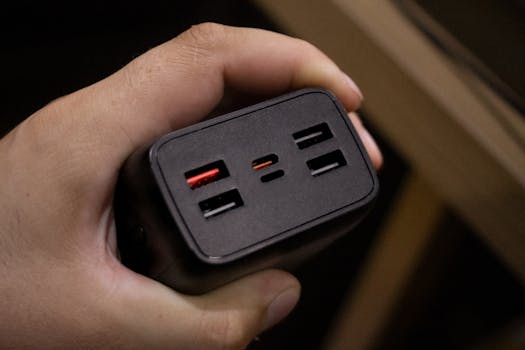 Photo: Pedro Paiva / Pexels
Embarking on any journey, whether a quick weekend getaway or an extended international adventure, often means relying heavily on our electronic devices. From navigating new cities with GPS to capturing breathtaking moments with our smartphone cameras, a dead battery can quickly turn an exciting experience into a frustrating one. This is precisely why investing in the best portable power bank for travel is no longer a luxury, but a fundamental necessity for any modern traveler. But with a dizzying array of options on the market, how do you choose the right one? The key lies in understanding the core essentials: capacity, port types, and charging speed.
Capacity, measured in milliampere-hours (mAh), is arguably the most critical factor. It dictates how many times your power bank can recharge your devices. A typical smartphone might have a battery capacity of 3,000-5,000mAh. Therefore, a 10,000mAh power bank could provide 2-3 full charges for most phones. For longer trips or multiple devices, you'll want to look at 20,000mAh or even 27,000mAh models. However, be mindful of airline regulations: most airlines restrict power banks to a maximum of 100 watt-hours (Wh) in carry-on luggage, which roughly translates to around 27,000mAh. Anything larger typically requires special approval or is prohibited. Overlooking this detail could lead to your power bank being confiscated at security, a traveler's nightmare.
Next, consider the types of ports available. The charging landscape has evolved significantly. While older power banks might only offer USB-A output ports, modern devices increasingly utilize USB-C. For optimal compatibility and future-proofing, look for power banks with both USB-A and USB-C output ports. Even better, a USB-C Power Delivery (PD) port is a game-changer. USB-C PD allows for much faster charging, not just for your smartphone but also for larger devices like tablets and even some laptops. Some power banks also feature micro-USB for input charging, though USB-C input is becoming the standard due to its speed and reversible connector. Having multiple output ports is also incredibly convenient, allowing you to charge your phone, tablet, or wireless earbuds simultaneously. This multi-device charging capability is particularly useful when traveling with companions or if you rely on several gadgets throughout your day. Understanding these port distinctions can save you time and frustration, ensuring you always have the right connection for your gear. For more insights on general tech travel essentials, check out this
guide to smart travel gadgets.
Finally, charging speed is paramount, especially when you're on the go and have limited time. Nobody wants to wait hours for their phone to charge. Look for power banks that support fast-charging technologies. Qualcomm's Quick Charge (QC) is a common standard for Android devices, while USB-C Power Delivery (PD) is standard for Apple devices (iPhone 8 and later) and many modern laptops. A power bank with at least 18W output via USB-C PD or QC 3.0 can significantly reduce charging times compared to standard 5W or 10W chargers. Some premium models even offer 45W or 60W USB-C PD, capable of charging smaller laptops at near-full speed. Always check the output specifications for each port to ensure it meets the fast-charging requirements of your specific devices. Prioritizing these three factors – capacity, port versatility, and charging speed – will put you well on your way to selecting the best portable power bank for travel that perfectly suits your needs and keeps you powered up throughout your adventures.
Top Contenders for the Best Portable Power Bank for Travel
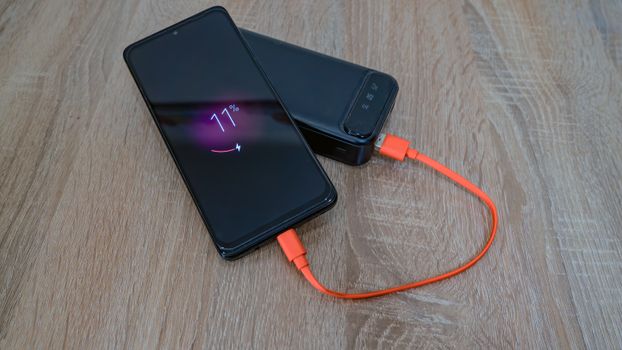 Photo: Eleonora Vokueva / Pexels
When evaluating the best portable power bank for travel, several brands consistently stand out for their reliability, performance, and innovative features. Anker, RAVPower, and AUKEY are often at the forefront, but newer players and specialized models also offer compelling options depending on your specific travel style and device ecosystem. Let's delve into some of the top contenders and what makes them ideal for different types of travelers.
For the everyday traveler who needs a solid balance of capacity and portability, the Anker PowerCore 10000 PD Redux is an excellent choice. Its 10,000mAh capacity is enough for 2-3 phone charges, and its compact size makes it incredibly easy to slip into a pocket or small bag. The inclusion of a USB-C PD port ensures fast charging for modern smartphones, while a traditional USB-A port handles older devices. It strikes a perfect balance for short trips or daily commutes where you need reliable backup power without excessive bulk. Anker's reputation for quality and safety also provides peace of mind, a crucial factor when dealing with electronics.
If you're a heavy tech user, traveling with a laptop, tablet, and smartphone, a higher capacity power bank is essential. The RAVPower PD Pioneer 20000mAh 60W is a fantastic option in this category. Its 20,000mAh capacity can charge a MacBook Air or similar ultrabook once, or a smartphone multiple times. The standout feature is its 60W USB-C PD output, which is powerful enough to provide a significant charge to many USB-C powered laptops, not just phones. This eliminates the need to carry a separate laptop charger, streamlining your travel gear. Its robust build quality and multiple output ports (including a second USB-A port) make it incredibly versatile for charging several devices simultaneously. While larger than the 10,000mAh models, its power output justifies the added size for those with demanding power needs.
For the ultra-light packer or minimalist, a smaller, more specialized power bank might be the best portable power bank for travel. Consider models like the Anker PowerCore Slim 5000. While its 5,000mAh capacity offers only about one full phone charge, its incredibly slim profile and lightweight design make it almost unnoticeable in your bag. It's perfect for emergency charges or for topping up your phone during a long day of sightseeing. These smaller units typically forgo high-wattage outputs, focusing instead on pure portability and convenience. They are also usually more budget-friendly, making them an accessible option for anyone looking for a simple, reliable power boost.
Finally, for the adventurous traveler who might be off-grid, some power banks offer rugged designs, solar charging capabilities, or even built-in flashlights. While solar charging is generally slow and best for trickle charging or emergencies, the added durability and features can be invaluable in harsh environments. Brands like Goal Zero specialize in robust, outdoor-oriented power solutions. When selecting from these top contenders, always weigh capacity against portability, and consider your specific devices' charging requirements to ensure compatibility and optimal performance. Checking user reviews and expert comparisons can also provide valuable real-world insights into a power bank's reliability and performance under travel conditions.
Maximizing Your Power Bank's Lifespan and Travel Safety
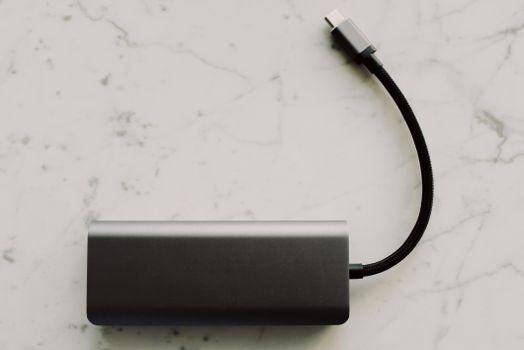 Photo: ready made / Pexels
Owning the best portable power bank for travel is only half the battle; knowing how to properly use and maintain it, especially while traversing different environments, is crucial for both its longevity and your safety. A power bank, at its core, contains a lithium-ion battery, similar to those in your smartphone or laptop. While generally safe, improper handling, extreme temperatures, or physical damage can pose risks. Adhering to best practices will ensure your power bank remains a reliable travel companion for years to come.
One of the most important aspects of power bank maintenance is proper charging and discharging. Avoid completely draining your power bank to 0% or leaving it plugged in indefinitely once fully charged. While modern power banks have built-in overcharge protection, consistently pushing these limits can degrade the battery cells over time. Aim to keep your power bank between 20% and 80% charge when not in active use, especially for long-term storage. When you're preparing for a trip, fully charge it just before you leave. Use the original charging cable or a high-quality, reputable alternative to charge the power bank itself. Using faulty or uncertified cables can lead to inefficient charging, overheating, or even damage.
Temperature extremes are a significant enemy of lithium-ion batteries. Avoid leaving your power bank in direct sunlight, in a hot car, or in extremely cold conditions for extended periods. High temperatures can accelerate battery degradation and, in extreme cases, lead to swelling or even thermal runaway. Similarly, charging or discharging in very cold temperatures can reduce efficiency and potentially damage the battery cells. Always store and use your power bank within the manufacturer's recommended temperature range, which is typically room temperature. If you're traveling to a region with extreme climate, try to keep your power bank in a bag or insulated pouch to moderate its temperature.
Physical care is equally important. While many power banks boast durable casings, they are not indestructible. Avoid dropping your power bank or subjecting it to heavy impacts. Internal components can be dislodged or damaged, potentially leading to malfunction or safety hazards. If your power bank shows any signs of swelling, leaking, or emits a strange odor, discontinue use immediately and dispose of it responsibly at an electronics recycling center. Never attempt to open or repair a damaged power bank yourself. For more general advice on safeguarding your electronics on the go, consider reading up on
travel tech protection tips.
Finally, always be aware of airline regulations. As mentioned, most airlines limit power banks to 100Wh (approximately 27,000mAh) and require them to be carried in your carry-on luggage, not checked baggage. This is a crucial safety measure to prevent potential fire hazards in the cargo hold. Before every flight, quickly verify the Wh rating on your power bank (it's usually printed on the device itself) and confirm it meets the airline's specific requirements. By following these guidelines for care and safety, you can ensure your best portable power bank for travel remains a reliable, long-lasting, and safe source of power for all your adventures.
Essential Tips for Choosing the Right Travel Power Bank
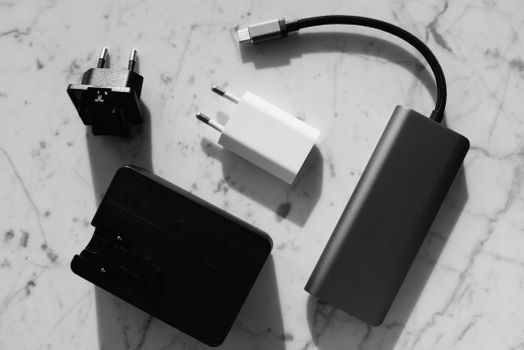 Photo: ready made / Pexels
Choosing the best portable power bank for travel can seem daunting with the myriad of options available. To simplify your decision, focus on these essential tips that cater to different travel styles and technological needs. Prioritizing these factors will ensure you pick a power bank that genuinely enhances your travel experience.
**1. Match Capacity to Your Needs:**
* **Light User (1-2 phone charges):** A 5,000-10,000mAh power bank is perfect for short day trips or emergencies. It's compact and lightweight.
* **Moderate User (2-4 phone charges, small tablet):** 10,000-15,000mAh offers a good balance of capacity and portability for weekend trips or daily heavy use.
* **Heavy User (Multiple devices, laptop charging):** 20,000-27,000mAh is ideal for extended trips, international travel, or powering laptops. Remember the 100Wh airline limit!
**2. Prioritize Fast Charging:**
* Look for USB-C Power Delivery (PD) for iPhones (8 and newer), iPads, and many laptops.
* Qualcomm Quick Charge (QC) is excellent for many Android devices.
* Aim for at least 18W output for noticeable speed improvements. Higher wattage (e.g., 45W, 60W) is essential for laptops.
**3. Consider Port Versatility:**
* At least one USB-C input/output port is a must for modern devices.
* Multiple USB-A output ports are convenient for charging older devices or multiple gadgets simultaneously.
* Ensure the input port for charging the power bank itself is compatible with your existing chargers (ideally USB-C).
**4. Size and Weight Matter:**
* For backpacking or ultra-light travel, every ounce counts. Opt for smaller, lighter models even if it means slightly less capacity.
* For car travel or less active trips, a heavier, higher-capacity power bank might be acceptable.
**5. Check for Safety Certifications:**
* Reputable brands (Anker, RAVPower, AUKEY, Goal Zero) usually have multiple safety features like overcharge, over-discharge, short-circuit, and temperature protection.
* Look for certifications like CE, FCC, and RoHS.
**6. Don't Overlook Build Quality and Features:**
* Durable materials can withstand the rigors of travel.
* LED indicators showing remaining battery life are very useful.
* Pass-through charging (charging the power bank while it charges a device) can be a convenient feature for some.
**Common Mistakes to Avoid:**
* **Ignoring airline regulations:** Always check the Wh limit for carry-on luggage. Never put power banks in checked bags.
* **Buying solely on price:** Cheap, unbranded power banks often have exaggerated capacities and lack crucial safety features.
* **Forgetting cables:** A power bank is useless without the right cables for your devices. Pack a variety if you have different port types.
* **Not charging before you leave:** This seems obvious, but many travelers forget to top off their power bank before heading out, rendering it useless.
* **Overestimating solar charging:** While a nice feature for emergencies, integrated solar panels on power banks are generally too small to be a primary charging method.
