What Are The Benefits of 5G Internet? A Deep Dive
benefits of 5G internet

What Are The Benefits of 5G Internet? A Deep Dive

Experience unprecedented speed, ultra-low latency, and a world of new possibilities with 5G connectivity.

Explore 5G Now

Key Takeaways

  • ✓ 5G offers theoretical peak speeds of up to 10 gigabits per second (Gbps), significantly faster than 4G LTE.
  • ✓ Latency with 5G can drop to as low as 1 millisecond (ms), crucial for real-time applications.
  • ✓ 5G enables massive machine-to-machine communication, supporting billions of connected devices.
  • ✓ Enhanced Mobile Broadband (eMBB), Ultra-Reliable Low Latency Communications (URLLC), and Massive Machine Type Communications (mMTC) are the three pillars of 5G.

How It Works

1
Millimeter Wave (mmWave) Technology

5G utilizes higher frequency bands, specifically millimeter wave (mmWave) spectrum, to achieve incredibly fast speeds. These shorter wavelengths allow for greater bandwidth but have limited range and struggle with obstructions.

2
Massive MIMO (Multiple Input, Multiple Output)

Massive MIMO involves using a large number of antennas at the base station to send and receive more data simultaneously. This dramatically increases network capacity and efficiency, especially in crowded areas.

3
Beamforming and Small Cells

Beamforming directs wireless signals precisely towards users, improving signal strength and reducing interference. Small cells, smaller base stations placed closer to users, are essential for mmWave deployment, providing localized high-speed coverage.

4
Network Slicing

Network slicing allows mobile network operators to create multiple virtual networks on a shared physical 5G infrastructure. Each 'slice' can be optimized for specific applications, ensuring dedicated resources for services like autonomous vehicles or critical healthcare.

Unleashing Blazing Speeds and Ultra-Low Latency with 5G
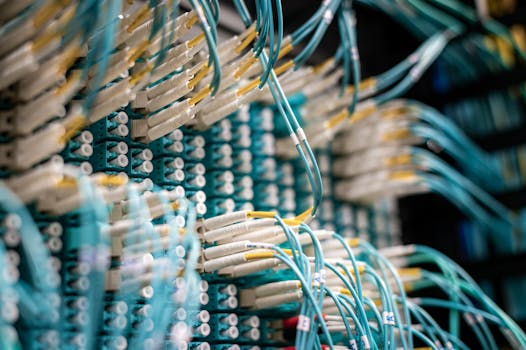
From below of fiber optic switch with sockets and connected rubber cables on blurred background Photo: Brett Sayles / Pexels
The most immediately noticeable and perhaps the most celebrated of what are the benefits of 5G internet are its unprecedented speeds and incredibly low latency. When we talk about speed, we're not just discussing faster downloads for your favorite movies; we're talking about a fundamental shift in how data moves across networks. While 4G LTE typically offers download speeds averaging between 20-50 Mbps, 5G can deliver theoretical peak speeds of up to 10 gigabits per second (Gbps). In real-world scenarios, users are already experiencing speeds in the hundreds of Mbps, often exceeding typical home fiber optic connections. This leap in speed means that large files, such as 4K videos or complex software updates, can be downloaded in seconds, transforming user experiences across personal and professional domains. Imagine downloading an entire season of a TV show in the blink of an eye, or updating your entire gaming library without a significant wait. This isn't just about convenience; it opens doors for entirely new applications that were previously bottlenecked by slower data transfer rates. Beyond raw speed, the reduction in latency is arguably the most revolutionary aspect of 5G. Latency refers to the time delay between when data is sent and when it is received. With 4G, typical latency ranges from 50 to 100 milliseconds (ms). 5G promises to slash this to as low as 1 millisecond, a near real-time response. This minuscule delay is imperceptible to human senses but is absolutely critical for applications requiring instantaneous feedback and control. Consider autonomous vehicles: a split-second delay in communication could have catastrophic consequences. With 5G's ultra-low latency, vehicles can communicate with each other, with traffic infrastructure, and with cloud-based systems in real-time, enabling safer and more efficient transportation. Similarly, remote surgery, where a surgeon controls robotic instruments from a different location, becomes viable with 5G, ensuring that the surgeon's movements are translated instantly to the robotic tools. This precision and responsiveness extend to industrial automation, drone control, and even advanced virtual and augmented reality (VR/AR) experiences, making them more immersive and interactive. The combination of high speed and low latency fundamentally redefines what's possible in a connected world, moving us beyond simple mobile browsing to a future where connectivity powers intricate, time-sensitive operations. Understanding the core technologies behind 5G helps appreciate these monumental improvements.

Transformative Impact on Industries and Smart Cities
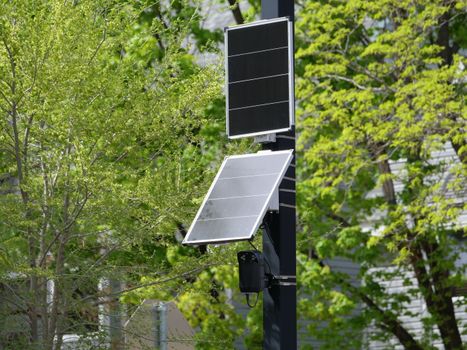
A modern solar-powered surveillance camera on a street pole amidst green foliage. Photo: Giant Asparagus / Pexels
The profound capabilities of 5G internet extend far beyond individual consumer benefits, promising a transformative impact across various industries and accelerating the development of smart cities. One of the key aspects of 5G is its capacity for Massive Machine Type Communications (mMTC), which means it can efficiently connect billions of devices simultaneously. This capability is the backbone of the Internet of Things (IoT), allowing for an unprecedented scale of sensor deployment and data collection. In manufacturing, 5G-powered smart factories can deploy countless sensors on machinery, enabling predictive maintenance, real-time quality control, and optimized production lines. Robots can communicate wirelessly with each other and central control systems with minimal delay, leading to more flexible and efficient automation. This level of connectivity reduces downtime, improves operational efficiency, and paves the way for truly intelligent manufacturing processes. Healthcare is another sector poised for radical change. Beyond remote surgery, 5G facilitates remote patient monitoring through wearable devices and connected medical equipment, allowing healthcare providers to track vital signs and manage chronic conditions from a distance. This not only improves patient outcomes by enabling proactive intervention but also reduces the burden on hospitals and clinics. Emergency services can leverage 5G for faster data transmission of patient information from ambulances, enabling hospitals to prepare for incoming cases more effectively. The creation of smart hospitals, where everything from inventory management to patient flow is optimized by connected systems, becomes a tangible reality. In agriculture, 5G enables precision farming, with sensors monitoring soil conditions, crop health, and livestock, leading to more efficient resource allocation and increased yields. Drones can survey vast fields, transmitting high-resolution data in real-time for immediate analysis and intervention. For smart cities, 5G is the foundational layer. It enables intelligent traffic management systems that adapt to real-time conditions, reducing congestion and pollution. Smart streetlights can adjust their brightness based on pedestrian and vehicle presence, saving energy. Waste management can be optimized with smart bins that signal when they need emptying. Public safety is enhanced through connected surveillance systems and emergency response networks that communicate seamlessly. Environmental monitoring, from air quality sensors to water management, becomes more comprehensive and responsive. The high bandwidth and low latency of 5G allow these diverse, interconnected systems to operate harmoniously, creating more efficient, sustainable, and livable urban environments. This pervasive connectivity fosters an ecosystem where data-driven decisions enhance every aspect of urban life, demonstrating the comprehensive nature of what are the benefits of 5G internet in building future-proof infrastructure.

Enhanced Mobile Broadband and Immersive Experiences

A woman engaged in virtual reality, wearing a headset and interacting with the virtual environment. Photo: SHVETS production / Pexels
One of the most immediate and tangible aspects of what are the benefits of 5G internet for the everyday consumer is its promise of enhanced mobile broadband (eMBB). This means not just faster downloads, but a dramatically improved experience for all mobile internet activities. Streaming high-definition content, whether it's 4K video on your smartphone or even 8K content on compatible devices, becomes seamless and buffer-free, even in crowded areas. Gone are the days of pixelated video or frustrating pauses when you're trying to watch a live event on the go. 5G's increased capacity also means that more users can access high-bandwidth applications simultaneously without experiencing a significant drop in performance, a common issue with 4G networks in densely populated locations like stadiums or concert venues. This capacity allows for a more consistent and reliable mobile internet experience, making your device a truly powerful and always-connected portal to information and entertainment. Beyond passive consumption, 5G is a game-changer for immersive technologies like Virtual Reality (VR) and Augmented Reality (AR). These technologies, which require immense data processing and near-instantaneous rendering to prevent motion sickness and create a believable experience, have been largely tethered to powerful PCs or limited by Wi-Fi. With 5G's ultra-low latency and high bandwidth, VR and AR applications can move to the cloud, allowing for untethered headsets that are lighter, more comfortable, and capable of delivering incredibly detailed graphics and complex environments. Imagine exploring a virtual world with friends, attending a virtual concert with thousands of other avatars, or receiving interactive 3D instructions for a complex task overlaid onto your real-world view, all without any noticeable lag. This opens up new possibilities for entertainment, education, remote collaboration, and even personal shopping experiences. Furthermore, 5G will revolutionize mobile gaming. Cloud gaming platforms, which stream games directly to your device without requiring powerful local hardware, will thrive on 5G. The low latency ensures that button presses register instantly, providing a console-like experience on your smartphone or tablet. Multiplayer games will benefit from reduced lag, leading to fairer and more enjoyable competition. Developers will also be able to create more graphically intense and complex mobile games, knowing that the underlying network can handle the data demands. The ability to stream high-quality content, engage in seamless VR/AR, and enjoy lag-free cloud gaming transforms the mobile device from a simple communication tool into a truly immersive entertainment and productivity hub, fundamentally changing how we interact with digital content and each other. Exploring the evolution of wireless technology reveals how 5G represents a pinnacle in this progression.

Navigating the Future: Potential Challenges and Responsible Adoption of 5G
Illuminated 5G sign with modern geometric ceiling and warm lighting. Photo: Z z / Pexels
While the discussion around what are the benefits of 5G internet is overwhelmingly positive, it's crucial to acknowledge the potential challenges and advocate for responsible adoption to fully realize its promise. One significant hurdle is the extensive infrastructure deployment required. 5G, particularly its high-speed millimeter wave (mmWave) variant, relies on a dense network of small cells, which are smaller base stations placed closer to users. This necessitates significant investment in new hardware, fiber optic backhaul, and installation, especially in rural or sparsely populated areas. The cost and logistical complexity of this rollout can slow down widespread availability, creating a digital divide where some regions benefit from advanced connectivity while others lag. Governments and telecommunication companies must collaborate to ensure equitable access and prevent exacerbating existing inequalities in internet access. Public-private partnerships and innovative financing models will be essential to accelerate deployment in underserved areas. Another area of concern revolves around cybersecurity and privacy. With billions more devices connected to the internet through 5G, the attack surface for cyber threats expands dramatically. IoT devices, often with less robust security protocols than traditional computers, could become vulnerable entry points for hackers. The sheer volume of data being transmitted and processed also raises privacy concerns, necessitating stronger data protection regulations and enhanced encryption standards. Developing secure-by-design principles for 5G devices and applications, coupled with robust network security architectures, is paramount. Users also need to be educated on best practices for securing their connected devices and understanding the implications of data collection. Furthermore, the environmental impact of 5G deployment and operation needs careful consideration. The energy consumption of more numerous base stations and connected devices could increase, contributing to carbon emissions. Research and development into more energy-efficient 5G technologies and renewable energy sources for powering infrastructure are vital. Responsible disposal and recycling of old equipment also become more critical. Finally, while largely debunked by scientific consensus, public perception and misinformation regarding health concerns related to electromagnetic fields from 5G towers can hinder deployment. Clear, transparent communication from scientific bodies and regulatory authorities is necessary to address these concerns with factual information. By proactively addressing these challenges, society can ensure that the transformative benefits of 5G are realized sustainably, securely, and equitably for everyone. * **Infrastructure Investment:** The immense cost and logistical challenge of deploying dense small cell networks, especially in diverse geographical landscapes. * **Cybersecurity Risks:** A vastly expanded attack surface due to billions of new IoT devices, demanding robust security protocols and regulations. * **Privacy Concerns:** The increased collection and transmission of personal data through connected devices, requiring strong data protection frameworks. * **Digital Divide:** The potential for unequal access to 5G, exacerbating existing disparities between urban and rural areas. * **Energy Consumption:** The potential increase in energy usage from denser network infrastructure and more connected devices, necessitating green solutions. * **Public Perception:** Addressing misinformation and unfounded health concerns through transparent communication and scientific evidence.

Comparison

Feature5G4G LTEWi-Fi 6
Peak Download SpeedUp to 10 GbpsUp to 150 Mbps (theoretical)Up to 9.6 Gbps
Typical Latency1 ms50-100 ms2-20 ms (local network)
Device CapacityMillions per sq kmThousands per sq kmThousands per access point
MobilityExcellent (cellular)Good (cellular)Limited (fixed location)
Use CasesAutonomous vehicles, remote surgery, smart cities, cloud VR/ARMobile browsing, video streaming, social mediaHigh-density home/office networks, local IoT

What Readers Say

"The difference in speed with 5G internet is incredible! Downloads that used to take minutes are now done in seconds. It really highlights what are the benefits of 5G internet for everyday use, especially with streaming."

Sarah J. · Austin, TX

"I work remotely and 5G has been a game-changer. The low latency means my video calls are always crystal clear, and accessing cloud files is instantaneous. It's a true productivity boost."

Mark D. · Seattle, WA

"My family upgraded to a 5G home internet plan and we've seen a massive improvement. No more buffering during movie nights, even with multiple devices connected. This is definitely one of the biggest benefits of 5G internet for households."

Emily R. · Miami, FL

"While the speeds are amazing in central Denver, I notice some drop-offs in signal quality when I'm in more suburban areas. Still, when it works, the benefits of 5G internet are undeniable for gaming and streaming."

David L. · Denver, CO

"As a developer, the ultra-low latency of 5G is opening up new possibilities for AR applications. It's exciting to see what are the benefits of 5G internet for future tech development, it's truly transformative."

Jessica M. · San Francisco, CA

Frequently Asked Questions

What is the primary advantage of 5G over 4G?

The primary advantage of 5G over 4G is a significant increase in speed, with theoretical peaks up to 10 Gbps, and a dramatic reduction in latency, down to 1 millisecond. This combination enables entirely new applications and vastly improves existing mobile experiences.

Is 5G available everywhere in the US?

No, 5G is not yet universally available across the entire US. While major cities and urban areas have significant 5G coverage, rural and less populated regions are still undergoing deployment. Coverage continues to expand rapidly, but availability varies by carrier and location.

How do I get 5G internet access?

To access 5G internet, you need a 5G-compatible device (smartphone, tablet, or router) and a service plan from a mobile carrier that offers 5G in your area. Ensure your device's software is up to date and you are within a 5G coverage zone.

Is 5G more expensive than 4G?

Initially, 5G plans might have been slightly more expensive or required specific premium tiers. However, as 5G becomes more widespread, many carriers are integrating 5G access into standard plans without a significant price hike. Home 5G internet can be a competitive alternative to traditional broadband.

How does 5G compare to Wi-Fi?

5G is a cellular technology designed for wide-area mobile connectivity, offering mobility and broad coverage. Wi-Fi (especially Wi-Fi 6/7) provides high-speed local network connectivity, typically within a home or office. While both offer high speeds, 5G's key differentiator is its low latency and ability to maintain connectivity on the go, whereas Wi-Fi is generally more cost-effective for fixed, high-bandwidth local use.

Who benefits most from 5G internet?

Everyone from individual consumers streaming high-definition content to businesses leveraging IoT, smart city initiatives, and critical industries like healthcare and manufacturing will benefit. Gamers, VR/AR enthusiasts, and anyone requiring real-time, low-latency communication will see the most profound improvements.

Are there any health risks associated with 5G?

Extensive research by numerous scientific bodies, including the World Health Organization (WHO) and the FCC, has found no conclusive evidence that 5G radio waves are harmful to human health. 5G operates within non-ionizing radiation spectrums, which do not have enough energy to damage DNA.

What future innovations will 5G enable?

5G will enable widespread adoption of autonomous vehicles, advanced telemedicine and remote surgery, truly immersive virtual and augmented reality experiences, fully automated smart factories, and highly interconnected smart cities that optimize every aspect of urban living.

The future of connectivity is here, and understanding what are the benefits of 5G internet is just the first step. Embrace the next generation of speed, efficiency, and innovation – explore 5G options today and transform your digital world.

Topics: benefits of 5G internet5G speed5G latency5G applicationsfuture of 5G
Leo List
Brampton weed
Adultwork EstrelaBet Vai de Bet R7 Bet Betão Galera Bet Rainbet Bet9ja Shop SportyBet BetKing Sisal Loto Foot Hollywoodbets YesPlay Odibets RushBet Jugabet BetWarrior BetCity MSport betPawa Fortebet